


Sell your house as is, fast. Any condition. No repairs.
Don’t fix a thing. Roof, foundation, fire, water, red tags, unpermitted work, a house full of belongings: we buy houses exactly as they sit, as long as the numbers work for both of us, with one written offer within 24 hours and a closing on your date.
The fastest way to sell a house as is in Colorado is a direct cash sale: no repairs, no cleanout, no lender. Expert Cash Buyers, based in Fort Collins, sends a written offer within 24 hours with the math shown, covers seller closing costs, and closes in as little as 14 days, from Northern Colorado to the Denver metro.
What selling as is actually means, and what it does not
As is means we buy the house in the condition it’s in when we put it under contract, ordinary wear and tear aside, and the standard Colorado contract says so in writing. Not after a new roof, not after a cleanout, not after the basement dries out. We walk it once, price the work into one written offer, and the work waits until after closing. You don’t make a single repair or clean a single room. Selling a house as is to us takes the repair list off your desk entirely, and it takes the question of who pays for what off the table before it starts.
It doesn’t mean you hide anything. The Seller’s Property Disclosure isn’t a statute; it’s a Colorado Real Estate Commission form that the standard purchase contract asks the seller to complete to actual knowledge, and that same contract separately requires you to disclose in writing any adverse material fact you actually know, a duty the as-is language doesn’t erase. Colorado attaches its own written notices to a residential sale as well: special taxing districts and common interest communities (C.R.S. 38-35.7-101 and 38-35.7-102), a known methamphetamine lab (38-35.7-103), the source of drinking water (38-35.7-104), oil and gas activity (38-35.7-108) and elevated radon (38-35.7-112). On a house built before 1978, federal law adds the lead paint pamphlet, any records you have, and a ten day window for the buyer to test unless the buyer waives it in writing. Tell us about the crack in the foundation, the fire in the kitchen, the notice from the city. None of it ends the conversation. It goes into the math, and we walk you through where. This is general information, not legal advice; a Colorado attorney can tell you which notices your sale needs.
And it doesn’t mean an as-is listing. Some Colorado sellers list a house as is on the open market, and that can work when the problems are mostly cosmetic. But listing as is doesn’t remove the buyer’s inspection right under the Colorado contract, and a financed buyer still brings a lender and usually an appraisal, so a credit request at the end is common rather than ruled out. This page is about the other path: one buyer, one number, one date. It covers the conditions we see most across Northern Colorado and the Denver metro, and it tells you plainly when a repair is worth making first.
We help Colorado homeowners with a house that…
- Needs a roof, a furnace or a sewer line. The systems an inspector, an FHA appraiser or an insurer looks at first. We price them into the offer; they’re replaced after closing, not before.
- Has foundation cracks or doors that no longer latch. Common on the expansive clay soils along the Front Range. We buy houses with movement, with or without an engineer’s report.
- Was damaged by fire, smoke or water. Insurance claim open or closed. Boarded windows, a tarped roof, a flooded basement. We buy it in that state.
- Carries a code notice or a red tag. A stop-work order or a violation notice from the building department doesn’t stop a cash sale. It gets priced into the offer.
- Has work that was never permitted. Basement finishes, additions, garage conversions. We price the risk instead of asking you to open permits first.
- Is full of years of belongings. Take what matters. Leave the furniture, the boxes, the garage, the shed. Once the keys change hands, the rest isn’t yours to handle.
What is the fastest way to sell my house as-is?
The fastest way to sell a house as is is to sell it to one buyer who doesn’t need a lender, an appraisal or a repair list. That’s a direct cash sale. In Colorado the timeline looks like this: you tell us about the house, we send a written offer within 24 hours, you pick a closing date, and a local title company handles the payoff, the deed and the wire. What reaches you is the offer less your mortgage payoff, any other liens, property taxes prorated to the closing date (Colorado taxes are paid in arrears, so the seller usually carries that debit, and a metro district mill levy rides on the same tax bill), any HOA balance, and, if you won’t be a Colorado resident after closing, the two percent withholding under C.R.S. 39-22-604.5 unless an exception applies, such as a sales price at or under one hundred thousand dollars or a signed principal residence affirmation. As little as 14 days from the first call is realistic when title is clean. When there’s a lien, an open probate or a foreclosure clock running, the title company tells us what has to clear first and we work the date around it. If you’re behind on the mortgage or a foreclosure has started, Colorado gives you specific protections when you sell to an investor; talk to a HUD-approved housing counselor or a Colorado attorney before you sign anything.
Every other route adds a step that can slow the sale down or end it. An as-is listing on the open market still needs photos, showings, a buyer, that buyer’s inspector, that buyer’s lender and that lender’s appraiser, and any one of them can send the sale back to the start. An auction sets a date but not a price. A cash buyer removes all of that, which is why speed and certainty travel together in a cash sale.
Fast doesn’t have to mean rushed. Once the written offer is in your hands, the date is yours. Sellers who need to be out before a move take the short timeline. Sellers who want a few weeks to sort through a lifetime of belongings take the long one. Either way, the offer shows the repairs we priced, and the purchase contract includes an inspection period, as most do. Here’s what the offer includes and how to read it.
Read more: Get a Cash Offer for My House: What You Receive in 24 Hours →
Roof, furnace, sewer line and electrical: the systems a lender sees first
Hail is a fact of life along the Front Range, and a roof that took a storm two summers ago and never had the claim filed is one of the most common things we buy. Same with the furnace that was already old when you moved in, the water heater with a rust line at its base, and the aluminum or knob-and-tube wiring that makes an insurance agent hesitate. On a listed sale, these are the items a buyer’s inspector writes up, and a lender can condition the loan on them when the appraiser reports something that affects safety, soundness or structural integrity. An appraiser doesn’t scope a sewer line; an inspector’s camera does. On a cash sale, they’re line items on our offer.
The sewer line deserves its own paragraph. Older houses in Fort Collins, Loveland, Greeley and the older Denver neighborhoods often sit on clay tile or cast iron lines that tree roots have found. A scope camera finds the break, a retail buyer asks for a credit or walks, and the seller is left choosing between a trench through the front yard and a lower price. We price the line replacement ourselves and take that decision off your plate.
Should you replace a roof before selling? Usually not, if you’re selling to us. A new roof raises the repaired value, but you pay full retail for the roof and recover only the part of it that shows up in the offer. If you’re listing, the answer can change, because a lender may refuse to close on a roof with active leaks. Our offer math page shows exactly how a roof estimate moves the number, so you can compare the two paths with real figures. One small item isn’t optional for any Colorado seller: if the house has a fuel fired appliance, a fireplace or an attached garage, C.R.S. 38-45-102 asks the seller to make sure an operational carbon monoxide alarm is installed within fifteen feet of the entrance to each room lawfully used for sleeping, and the standard contract repeats it.
Read more: How Much Do Cash Buyers Pay for Houses? Our Offer Math, Shown →
Foundation cracks and expansive soil
Much of Northern Colorado and the Denver metro is built on clay soils that swell when wet and shrink when dry. The result shows up as stair-step cracks in brick, doors and windows that stick in one season and swing free in another, a slab that has heaved under the basement carpet, or a floor that slopes toward one corner. Some of it’s cosmetic. Some of it’s a structural repair with piers and anchors that an ordinary mortgage usually wants finished before closing, unless the buyer uses one of the renovation loans, FHA 203(k) or Fannie Mae HomeStyle Renovation, which fund the repair after closing out of an escrow.
You don’t need a structural engineer’s report to get an offer from us, and you don’t need to fix anything. If you already have a report, send it and we’ll use it. If you don’t, we price the movement from what we see and from what similar houses nearby have needed, and we walk you through how we priced it.
The honest trade-off: a repaired foundation with a transferable warranty is worth more on the open market than an unrepaired one, and the repair sometimes costs less than the discount a retail buyer demands for the unknown. If you have the money, the time and the patience for the work and then a listing, that path can net more. If you don’t, or if the house also has a roof and a furnace on the list, a cash sale is usually the cleaner answer. Our foundation page walks through the repair-or-sell decision in more detail.
Read more: Sell a House With Foundation Problems: Repair or Sell As Is? →
Fire, smoke and water damage
A house that has had a fire is a different sale from a house that needs a roof. There’s usually an insurance claim in progress, an adjuster’s scope, a decision about whether the payout goes to repairs or to the mortgage, and often a house nobody can live in while that decision is made. Boarded windows, a tarped roof, smoke in the drywall and the framing. We buy houses in exactly this state, with the claim open or closed. Who gets the remaining claim money isn’t a title company decision: the dwelling check is usually written to you and your mortgage servicer together, the servicer can apply it to the payoff or release it in stages, and the standard Colorado contract lets a seller assign the proceeds only if the insurer and the buyer’s lender accept, or escrow them under a written agreement the parties or their attorney prepare. Getting that settled with your insurer and your servicer belongs before closing, not at the table.
Water is quieter and just as expensive. A pipe that froze while the house sat empty over a Colorado winter, a sump pump that failed in a spring storm, a slow leak behind a shower that has been feeding mold in the wall for years. Active moisture and mold slow a financed retail sale down or stop it, and a renovation loan is often the only financed route left. We treat them as a remediation line item. You don’t need to dry it out, tear it out or test it before we make an offer.
If you’re weighing a repair-and-list path against a cash sale after a fire or a flood, the questions that matter are what the insurance will actually cover, how long the rebuild will take, and what the mortgage, taxes and insurance cost you every month in the meantime. Our fire damage page covers the insurance and permit questions in detail, including what to ask your adjuster before you decide.
Read more: Sell a Fire Damaged House: Insurance, Permits, and Selling As Is →
Code notices and red tags
A red tag or a notice of violation from a city or county building department means an inspector found something that must be corrected: work done without a permit, an unsafe structure, an illegal unit, a utility that had to be shut off. The notice may set a deadline, may carry fines that keep accruing, and may prohibit anyone from living in the house until it’s resolved. What it doesn’t do is prevent you from selling. A condition-based order usually runs with the property, so a buyer can take the correction on with the deed: Denver, for one, lists selling as a way out of a neglected and derelict designation, and the city then works the remediation with the new owner. There’s no single statewide rule, though. A citation issued to you by name, and fines already accrued, can stay yours, so ask the issuing department in writing what transfers and what doesn’t.
We buy red tagged and cited houses regularly, and the process is the same as any other as-is sale. Send us the notice along with the address. We read what the inspector required, price the correction into the offer, and after closing the permits are pulled and the work is done by the buyer, not you. The title company confirms any recorded fines or liens, and the standard Colorado contract has them paid before or at closing out of the proceeds so title can transfer. That clears the money, not the case: the city’s file stays open against the property until the work is done and re-inspected, which is the part the buyer takes on after closing, not you.
Two honest notes. First, if the correction is small and you have the time to do it, closing out the notice yourself before selling can raise what any buyer will pay, and we’ll tell you when that’s the case. Second, some notices carry daily fines, so waiting has a cost of its own. Our red tag page explains how to read the notice, what the common categories mean and what your options are. This is general information, not legal advice; confirm with a Colorado attorney about any notice on your property.
Read more: Selling a Red Tagged House: What the Tag Means and Your Options →
Work that was never permitted
Colorado basements get finished. Garages get turned into bedrooms, decks get built over a long weekend, an addition goes up with a friend who knows framing. Years later, the county assessor’s record shows fewer bedrooms than the house actually has, and nobody ever pulled a permit. This is one of the most common conditions we see. If a permit was required, it has been a code violation since the day the work was done: the building code requires the permit first and makes it unlawful to build or alter in conflict with the code, so an inspector’s notice enforces the violation rather than creating it. Whether your project needed a permit at all depends on the local code and its exemptions.
On a listed sale, unpermitted work surfaces at the appraisal, where the appraiser has to comment on the quality of the work and its effect on value and may leave that footage out of the living area, or at the inspection, when the buyer’s agent asks for permits that don’t exist. The seller is then asked either to open a permit after the fact, which can mean opening walls so an inspector can see the wiring and the framing, or to discount the price for the risk. Either one takes time you may not have.
When we buy, we take the permit history with the house. We price the chance that some of the work has to be redone or legalized, and we show that in the offer. You don’t open walls, you don’t visit the building department, and you don’t hide anything on the disclosure form. You write down what you know, and we buy the house as it stands.
A house full of years of belongings: leave it all
Some houses have been lived in for a long time, and everything is still there. The furniture, the closets, the basement shelves, the garage where a car hasn’t parked in years, the shed, the paperwork stacked in the dining room, the freezer. Sometimes the house came to you through an estate and the clearing out has stalled because every box is a decision. Sometimes the volume has simply grown past what one person can move.
You don’t have to empty it. Take what you want: photographs, documents, the things with meaning. Leave everything else exactly where it sits. After closing, clearing it out isn’t your job. The amount inside the house doesn’t change our timeline. We have bought houses where the only clear path ran from the front door to the kitchen.
This is the condition where we hear the most relief from sellers, and it’s also the one people apologize for most often. There’s nothing to apologize for. A house is allowed to hold a life. If the house came to you through an estate, our inherited house page covers the probate step, splitting proceeds among heirs and selling from out of state, so that the belongings are the least of it.
Read more: Sell an Inherited House: Belongings, Siblings, Distance, One Sale →
What devalues a house most?
In our experience buying across Northern Colorado and the Denver metro, the things that take the most off a house’s value are the ones a lender won’t finance around: foundation movement, active water intrusion and mold, an unsafe roof, fire damage that hasn’t been remediated, and a red tag that bars occupancy. Each of those pushes a retail sale toward cash or a renovation loan, which shrinks the pool of buyers, and a smaller pool means a lower price no matter who ends up buying.
Next come the items buyers can finance but will fight over: an old sewer line, outdated electrical, unpermitted additions, a furnace past its expected life, and years of deferred maintenance that signal more of the same behind the walls. Then come location factors nobody can fix, like a busy road behind the fence. Cosmetic issues, paint, carpet and a dated kitchen, matter least, and they’re the one category where doing the work first can pay off if you plan to list.
That order is also a guide to when selling as is makes sense. If the house is mostly in the last category, clean it, paint it and list it. If it carries even one item from the first group, the cost and time to fix it before a listing often outweighs the gain, and a written cash offer with the repairs priced lets you see the gap instead of guessing at it. Our as-is cash page covers the money side of that comparison, step by step.
Read more: Sell My House As Is for Cash: No Repairs, No Cleanout, Colorado →
Sell as is to us for cash or list the house as is on the open market.
Sell as is to us for cash
- Who inspects Amy or Jenny, before the offer. The contract includes an inspection period, as most do.
- Appraisal None. There’s no lender.
- Repairs before closing None. Priced into the offer, done after closing.
- Cleanout None. Take what you want, leave the rest.
- Showings None. No sign, no lockbox, no photos online.
- Time to a written offer Within 24 hours, math shown.
- Closing date Yours. As little as 14 days, or weeks out.
- Price Below repaired retail. We walk you through the gap.
- Risk the sale falls apart Low. Cash, no financing or appraisal contingency.
List the house as is on the open market
- Who inspects Usually the buyer’s inspector, who may then object, ask for repairs or a credit, or walk.
- Appraisal Required if the buyer is financing, unless the loan gets an appraisal waiver. A cash buyer needs none. Condition can sink a financed offer.
- Repairs before closing The lender may require safety items fixed regardless of the listing terms.
- Cleanout Usually done by you before photos and showings. Not required, but it shows.
- Showings Ongoing until a contract is accepted.
- Time to a written offer After the house is listed and shown and a buyer makes an offer.
- Closing date Negotiated in the contract, typically weeks out for the buyer’s loan approval; appraisal or loan problems can push it.
- Price Higher gross if a buyer can finance the condition. Discounted for the same repairs we price.
- Risk the sale falls apart Real. Inspection, appraisal and loan approval can each end it.
Three clear steps, and nothing to surprise you.
Tell us about the house, flaws and all
Two minutes by form or phone. The address, the condition as you know it, whether there’s a notice, a claim or an estate involved, and when you’d like to be done. You talk to Amy or Jenny, two real people. Nothing needs to be cleaned, fixed or photographed first.
Get one written offer with the condition priced
Within 24 hours you have a no-obligation cash offer, and we walk you through how we reached it: the after-repair value, the repairs we priced, our costs and our margin. If a repair would clearly pay for itself before a listing, we say so in the same conversation.
Pick your date and take what you want
Say yes, choose a closing date, and sign at a local title company. Seller closing costs are covered, there are no fees or commissions, and everything you leave behind stays with the house when the deed records.
Questions homeowners ask us.
What is the hardest month to sell a home?
On the open market in Colorado, the slow stretch is late fall through the holidays and into deep winter: fewer buyers are looking, snow hides the roof and the yard, and showings drop off. Spring and early summer are the busiest. None of that applies to a direct cash sale. We buy in January the same as in June, the offer doesn’t depend on the season, and a closing in as little as 14 days is possible in any month of the year.
What is the fastest way to sell my house as-is?
Sell it directly to a cash buyer who can close without a lender. There’s no listing period, no showings, no appraisal, and the condition is priced before the offer is written. With Expert Cash Buyers, you get a written offer within 24 hours of talking with us about the house, and if you accept, you pick the closing date, as little as 14 days out. A local title company handles the deed, the payoff and the wire.
How to increase home value by $50,000?
There’s no single repair that reliably adds a fixed amount, and anyone who names one is guessing about your house. Value moves most when a house crosses the financing line: from one only cash buyers and renovation lenders can touch, to one an ordinary purchase loan will close on. A sound roof, a dry basement, a stable foundation, a cleared red tag. Cosmetic work moves the value of a distressed house the least, but it isn’t the worst use of money: the National Association of Realtors 2025 Remodeling Impact Report puts small projects like a new front door and a closet renovation at the top for cost recovery, and Realtors most often recommend painting and new roofing before a listing. Before you spend, get a written cash offer with the repairs priced, then compare it against a repaired listing estimate net of the work, the commission you negotiate and the months of carrying costs.
What devalues a house most?
Conditions a lender won’t finance around: foundation movement, active water and mold, an unsafe or failing roof, unremediated fire damage and a red tag that bars occupancy. They shrink the buyer pool to cash and renovation-loan buyers, and a smaller pool means a lower price. Behind those come the sewer line, the electrical, unpermitted work and long deferred maintenance. Paint, carpet and dated finishes matter least. If your house carries one item from the first group, get repair bids and a written cash offer and compare the two nets before you decide, because the fix often costs more time and money than it returns.
How much will a $300,000 house be worth in 10 years?
Nobody can tell you honestly, and we won’t pretend to. Colorado home values have risen over the long run, but they have also had flat and falling years, and the condition of the house matters as much as the market: a house that needs a roof and a foundation repair today will need more in a decade, not less. The useful question is what the house nets you now against what it costs to hold, and a written offer answers that half of the equation within 24 hours.
Can I sell a house as is if it will not pass an appraisal or a lender’s inspection?
Yes, and that’s exactly when a cash sale earns its place. Most retail buyers use a lender, and a lender usually needs an appraiser to sign off on the condition. Active leaks, exposed wiring, missing flooring, a tarped roof or a red tag can all stop a loan, and FHA and VA are stricter on safety items than a conventional loan. We buy without a lender, so there’s no appraisal and no lender’s condition the house has to meet. We price the work into the offer, and it’s done after closing, not by you.
Will you still buy the house if the insurance claim or the city notice is not resolved yet?
Yes. Open claims and open notices are common in the houses we buy across Northern Colorado and the Denver metro. Send us what you have: the adjuster’s scope, the notice from the building department, any estimates. We price the unresolved piece into the offer, and the closing company carries out whatever payoff, escrow or assignment instructions the insurer, your mortgage servicer and the parties have put in writing; it doesn’t decide who is entitled to claim money, and it doesn’t close a city’s enforcement case. Confirm the specifics of your claim with your adjuster and your servicer before you accept any offer, ours included.
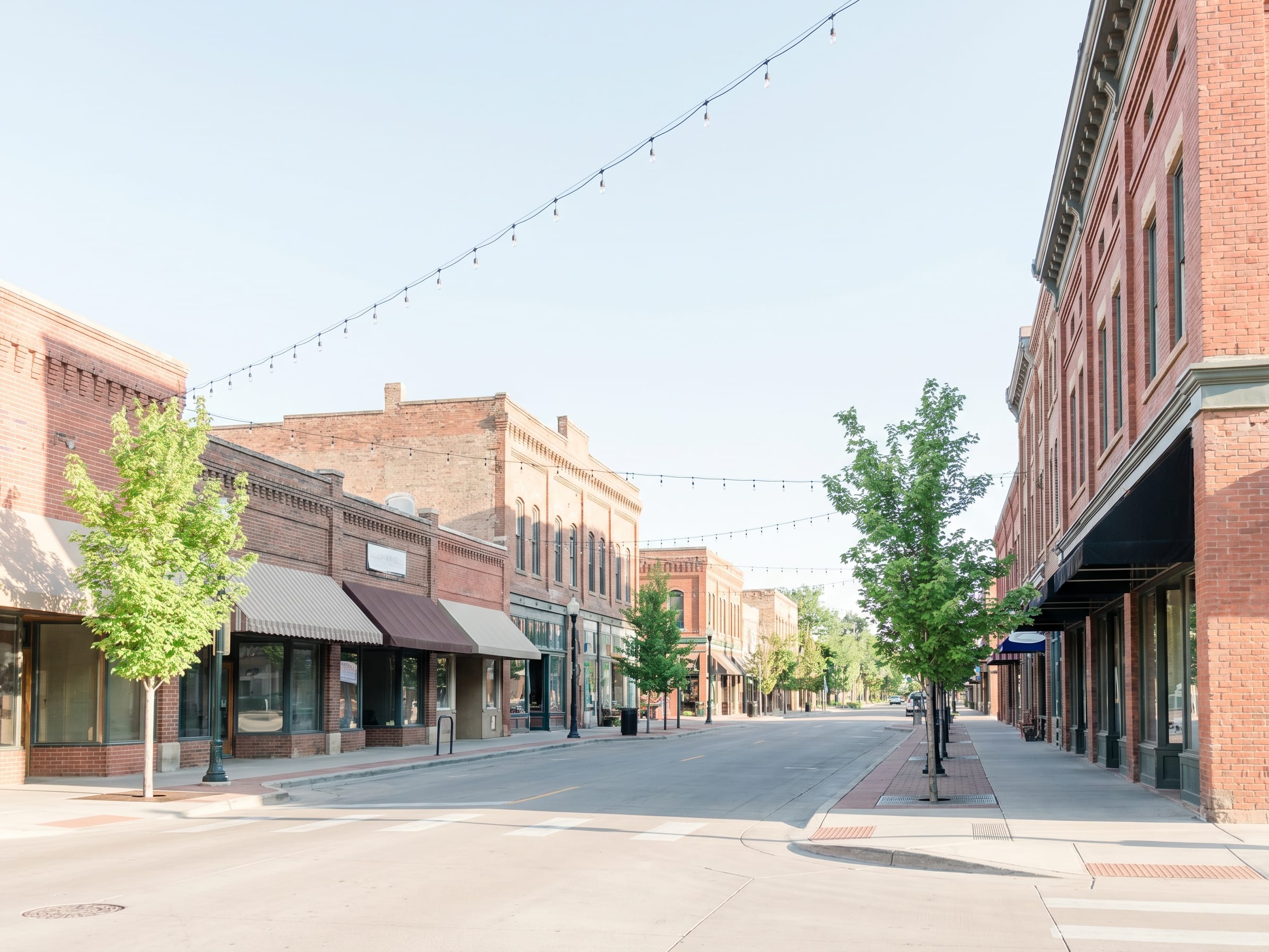
Local buyers, up and down the I-25 corridor.
We buy houses across Larimer, Weld, Boulder, and the Denver-metro counties: Fort Collins to the south metro, within about 15 minutes of I-25.
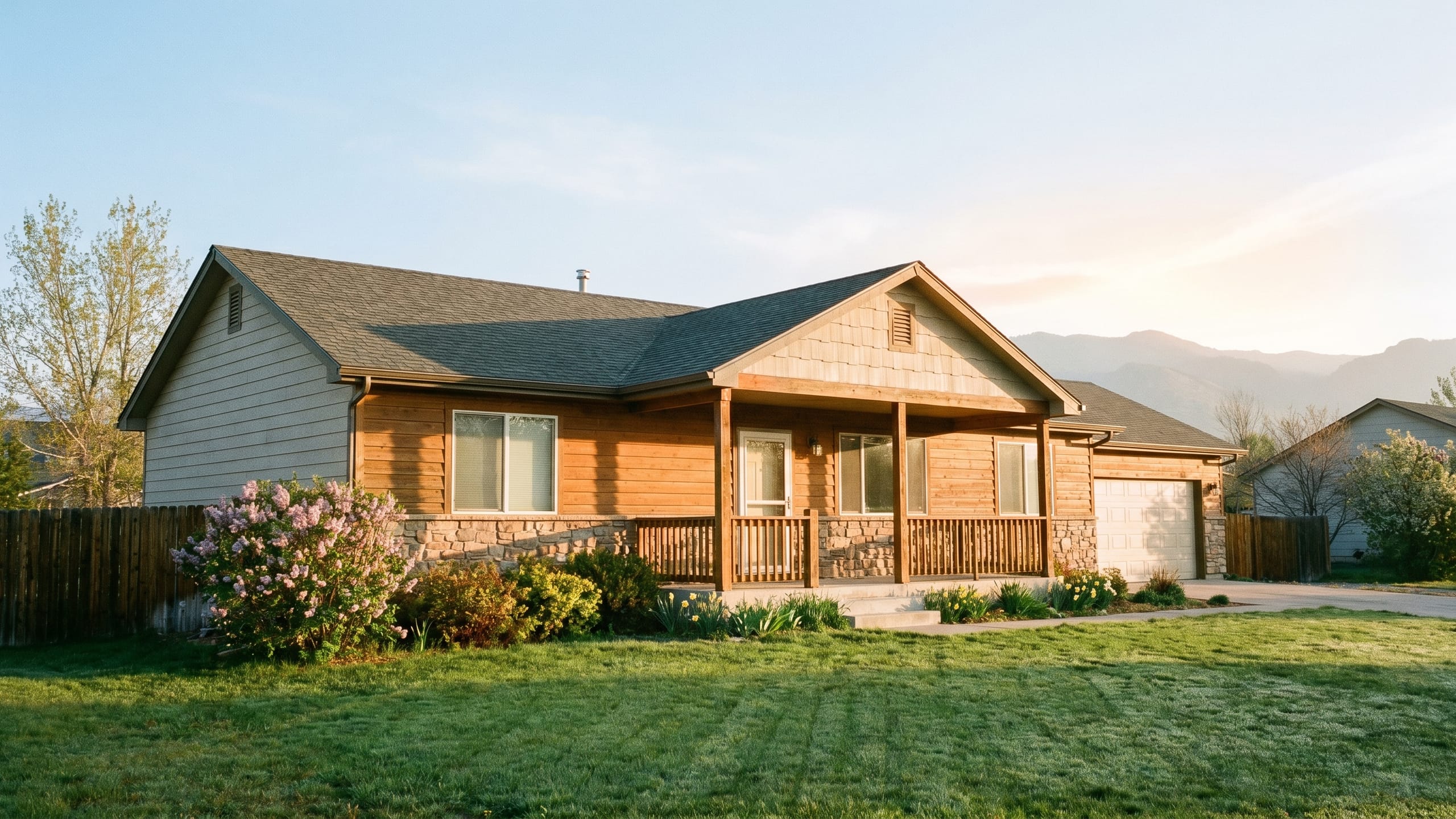
Whatever shape the house is in, sell it exactly as it sits.
Tell us about the house as it stands today, and within 24 hours you’ll have one written offer with the condition priced and the math shown, from two local owners who answer their own phone at (970) 406-3595.