

Is selling your house for cash a good idea?
A cash sale isn’t right for everyone. Here’s the honest trade-off, both ways, and how to tell which side you’re on. We’re Amy and Jenny, two people in Fort Collins who buy houses for cash, and we’ll tell you when you shouldn’t sell to us.
Selling your house for cash is a good idea when speed, certainty or the condition of the house matters more than the last dollar. That’s the trade: a cash buyer pays less than a good listing usually brings, because the buyer carries the repairs, holding costs and risk. In good shape, with time to spare, listing often nets more.
What a cash sale actually is
A cash sale means the buyer pays from their own funds, with no mortgage lender in the middle. No appraisal has to come in at a certain number. No underwriter can change their mind the week before closing. That’s the definition, and it’s worth testing against the buyer in front of you: some companies advertise cash offers and still borrow the purchase money from a private lender, which brings back a valuation and a funding condition. Ask how the purchase is funded and ask that the contract carry no financing contingency. The buyer looks at the house once, writes an offer, and if you accept, the title company handles the title work, the payoffs, the deed and the recording. In Northern Colorado that’s how we work: one written offer, the math shown, your closing date.
It also usually means as-is. You leave the roof the way it is, the carpet the way it is, and whatever is in the garage. The buyer prices those things into the offer instead of asking you to fix them. As-is covers repairs, not candor: you still tell the buyer about problems you know of that a buyer couldn’t reasonably find, and the sale still carries Colorado’s standard written notices, plus the federal lead paint disclosure on a house built before 1978. That’s the part most people are really asking about when they ask whether a cash sale is a good idea: is it worth accepting less to skip all of that?
The honest answer is that it depends on the house and on your situation, and this page is meant to help you tell the difference. We buy houses for cash across Larimer, Weld and Boulder counties and the Denver metro, and we still tell sellers, fairly often, that listing would net them more. Skepticism about cash buyers is fair, and you should bring it to every buyer you talk to, us included.
When a fast, certain sale beats a slow maybe.
- The house needs work you don’t want to fund. Roof, sewer line, foundation, a kitchen from another era. Repairs before listing cost money up front; a cash buyer prices them in instead.
- You have a date you can’t miss. A job start, a foreclosure sale date, an estate that needs to close. A cash sale can close in as little as 14 days, on the day you choose, as long as title is clear and whoever signs has the authority to sell. If a foreclosure sale is already scheduled, that sale date is the deadline rather than your preference, and a closing only ends the foreclosure if it pays the loan in full and the lender withdraws the filing. Colorado gives you specific protections when you sell while you’re behind on the mortgage: talk to your county public trustee and a HUD-approved housing counselor or a Colorado attorney before you sign anything.
- A financed deal already fell through. An appraisal gap or a buyer who lost financing puts you back on the market weeks later. Cash removes the lender from the equation.
- The house is full and you can’t clear it. An inherited house across the state, a rental after a rough tenancy. Take what you want, leave the rest, and it’s handled.
- Showings aren’t realistic. A tenant in place, a house that’s hard to keep presentable, or a schedule that can’t absorb strangers walking through on short notice. No showings, no signs, no open houses. A tenant doesn’t have to move because the house sold: the lease comes with the house, and the security deposit goes to the new owner with written notice to the tenant.
- You want one number and a quiet close. You’d trade a little money for a lot less stress, no showings and a date you choose. No repairs to make first and no commissions. One written offer, and we walk you through how we got there.
What are the pros and cons of selling a house for cash?
The pros are speed, certainty and simplicity. A cash sale skips the lender and the lender’s appraisal. Most purchase contracts, ours included, still have an inspection period, so before you sign, ask any buyer what could change the price during it. It can close in as little as 14 days. You don’t stage, show or clean out. With a buyer like us, you pay no fees or commissions and your seller closing costs are covered, so nothing comes out of the price for selling it. What reaches you is still that number less your mortgage payoff, any liens, prorated property taxes and any HOA balance, each shown on the settlement statement.
The cons are price and, with the wrong buyer, trust. A cash offer is lower than a strong listing price, sometimes noticeably lower on a house in good condition. Some cash buyers also present a high number to get a contract signed and then cut it after an inspection, or add fees at the end. The fix for the first con is math you can see. The fix for the second is to ask any buyer, before you sign, what could change the number, and to close at a local title company with a buyer whose office address you can check.
- Pro: no lender, no appraisal, no financing fall-through.
- Pro: as-is, with no repairs, cleanout or showings.
- Pro: your closing date, from as little as 14 days out.
- Pro: no commissions, and seller closing costs covered.
- Con: a lower price than a well-marketed listing in good condition.
- Con: some buyers renegotiate late or hide fees; vet before you sign.
Why is a cash offer lower than a listing price?
Because the buyer is taking on everything a listing would have made you do. Start with what the house would sell for once it’s repaired and cleaned up. Subtract the actual cost of that work. Subtract the cost of owning it while the work is done and while it sells: taxes, insurance, utilities, financing. Subtract the cost of selling it again, and a margin for the risk that any of those numbers is wrong. What’s left is the cash offer.
Written that way, it isn’t a mystery and it isn’t an insult. It’s the price of handing someone else the job. When we give you an offer, we walk you through how we reached it, so you can disagree with a repair estimate or a resale number and tell us why. The full walkthrough, with a worked example, is on the offer math page.
Read more: How Much Do Cash Buyers Pay for Houses? Our Offer Math, Shown →
Is selling your house to an investor the same as selling for cash?
Mostly, and the details are worth knowing. To sell a house to an investor usually means selling to someone who will fix and resell it, or hold and rent it, using their own money. That’s a cash sale. Some companies sign the contract with you and then bring in another investor to close on it, usually for a fee that investor pays. That’s still a cash sale, and your price and closing date are the ones in the contract you signed, so read that contract and ask who will close.
Ask early who will close on the house and when. Then check the paper, because what binds anyone is the contract: read the assignment clause, ask plainly whether your contract can be handed to another investor to close, and ask how the purchase is funded. The companies page walks through the four kinds of buyers you’ll meet and how to tell them apart.
Read more: Companies That Buy Houses for Cash: Four Types, How to Choose →
What about instant online offers?
Instant offers from large online buyers are another kind of cash sale, and for a newer house in standard condition they can be a fair fit. They tend to run their own assessment of the house, adjust the preliminary number for condition, charge a service fee, and prefer houses that fit a pricing model. A house with a cracked foundation, an unpermitted addition, or a garage full of decades of belongings usually doesn’t.
A local cash buyer works the other way around: the harder the house, the more useful we are. If you have an instant offer in hand, get a written local one too and compare them net of fees and condition adjustments, not on the headline number. That comparison is laid out on the iBuyer alternative page.
Read more: iBuyer Alternative: A Local Cash Buyer vs. an Instant Offer →
When is listing with an agent the better choice?
When the house is in good shape, you can live with showings, and you have a few months to spare. A well-priced listing in most Northern Colorado neighborhoods draws financed buyers who will pay retail. Run the arithmetic before you assume either side wins: commission is negotiable and no rate is set by law, since 2024 a seller decides separately whether to pay anything toward the buyer’s agent and that pay is no longer advertised on the MLS, and the listing route also carries repairs, months of payments and your share of closing costs. On a house in good condition those costs are often still smaller than the discount a cash buyer needs, and in that case we’ll tell you so. You’re a neighbor, not a lead.
There’s also a middle path. Selling without a realtor doesn’t have to mean selling for cash. A flat-fee listing or a for-sale-by-owner sale keeps you on the open market with lower costs, at the price of doing more of the work yourself. The without-a-realtor page compares those three routes, with their costs and paperwork.
Read more: Sell a House Without a Realtor: Three Ways, Costs, and Paperwork →
How do I get cash for my house in Colorado?
Tell us about the house: the address and a little about the situation, by form or by phone, in about two minutes. You talk to Amy or Jenny, not a call center. Within 24 hours you get one written, no-obligation cash offer with the math laid out. Take it to an agent, a friend, or a spreadsheet and set it against what listing would net. If you say yes, pick a closing date, and we close at a local title company with your seller closing costs covered.
If the answer is no, that’s fine too. The offer is good information either way, and it costs nothing. The full process, from first call to funds at title, is on the sell your house for cash page.
Read more: Sell My House for Cash: A Written Offer, Math Shown →
Cash sale to a local buyer or listing with an agent.
Cash sale to a local buyer
- Time to close As little as 14 days, on your date
- Repairs None; priced into the offer
- Showings None. No signs, no open houses
- Price Below retail; the discount is the cost of repairs, holding and risk
- Fees No fees or commissions; seller closing costs covered
- Certainty Cash funds; no appraisal or loan approval
- Cleanout Take what you want, leave the rest
Listing with an agent
- Time to close Weeks to prepare and show, then a financed closing period
- Repairs Usually some before listing, often more after inspection
- Showings Showings, open houses, a sign in the yard
- Price Closest to full market value when the house is in good condition
- Fees Commission plus your share of closing costs
- Certainty Depends on the buyer’s lender and the appraisal
- Cleanout Empty and clean before closing
Three clear steps, and nothing to surprise you.
Get the number
Two minutes by form or phone. Within 24 hours of talking with us about the house, you have a written cash offer with the math shown.
Compare it honestly
Set it next to what an agent says you’d net after repairs, commission and months of holding. Ask us about any part of it.
Decide, then pick the date
If cash wins, choose a closing date as little as 14 days out. If listing wins, we’ll say so and wish you well.
Questions homeowners ask us.
Who pays the most cash for houses?
Usually no one cash buyer, and often not a cash buyer at all. On a house in good condition, a financed owner-occupant through a listing typically pays the most. Among cash buyers, the highest headline offer isn’t always the highest net: watch for service fees and repair renegotiation after inspection, and ask who will close on the contract. Get two or three written offers, ask each buyer to show the math, and compare what actually reaches you at title.
How to sell a house fast for cash?
Contact a local cash buyer with the address and a short description of the house and the situation. A reputable local buyer sends a written offer within 24 hours, usually after one visit. Accept, pick a closing date as little as 14 days out, and the title company handles the payoff, the deed and the funds. Skip repairs, cleanout and showings. The quickest sellers are the ones who have their mortgage payoff statement and any estate or divorce paperwork ready early. If the house is still in a deceased owner’s name alone, someone has to be appointed personal representative before anyone can sign; a survivorship deed, a recorded beneficiary deed or a trust changes that.
Are cash offers for houses legit?
Many are, and some aren’t, so check before you sign. A legitimate cash buyer gives you a written offer, never asks for money up front, closes at a licensed Colorado title company, and can tell you plainly whether they’re buying the house themselves or assigning the contract. Look the business up with the Colorado Secretary of State, read its Google reviews, and ask to meet at its office. None of those proves much on its own, since a registration and a review page are easy to obtain, so also ask how the purchase is funded and read the contract’s assignment, termination and earnest money terms before you sign. Ours is at 300 S Howes St in Fort Collins.
What is the catch with selling a house for cash?
The catch is price. You accept less than a well-marketed listing might bring in exchange for speed, certainty and no repairs. A local buyer who shows the math and covers your closing costs leaves no hidden fees, but ask any buyer, before you sign, what could change the number during the inspection period. Understand the discount, know why it exists, and set it against your real cost of listing: repairs, commission, months of payments and the chance of a fall-through.
Do I have to accept a cash offer once I receive it?
No. Our offer is written, free and carries no obligation. Take it to an agent, ask a lender what your payoff looks like, or sit on it for a while. Some sellers use the number as a floor while they decide whether to list. If the house or the market changes, ask for a refreshed offer. You only commit when you sign a purchase contract, so read that contract before you sign it. A buyer who isn’t working through a real estate broker isn’t required to use the Colorado Real Estate Commission form, so the deadlines, the assignment clause, the termination rights and the earnest money are whatever that paper says. If you’re behind on the mortgage or a foreclosure has started, Colorado gives you added protections when you sell to a buyer like us, so get independent advice before you sign.
Is a cash sale a good idea for a house in good condition?
Sometimes, but be honest with yourself about why. A house that shows well and needs no work is exactly what financed buyers pay full price for, and a cash offer on it will be noticeably lower. If you still want cash, the reason is usually time or privacy: a date you must hit, or a sale you’d rather not put on the open market. Those are fair reasons. Just make sure the trade is one you’re choosing, not one you were talked into.
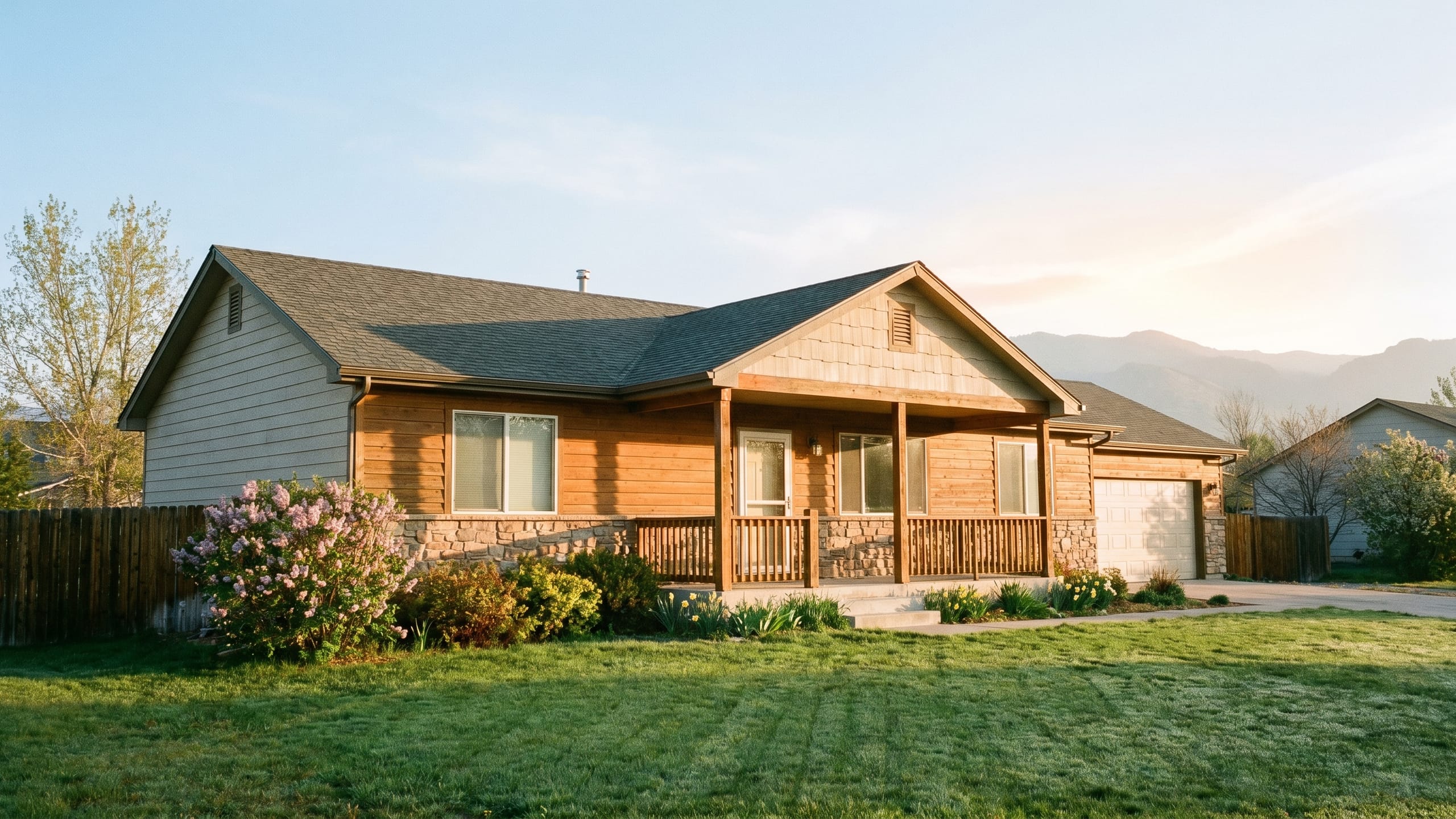
Want to know which side you are on?
Send us the address and get the written offer. Set it next to what listing would net and decide with both numbers in hand. If cash wins, it can be the calmest way out. If listing wins, we’ll say so.