


We buy houses in Colorado, for cash, as-is, on your date.
Two local owners based in Fort Collins, buying houses along the I-25 corridor from Northern Colorado to the Denver metro. Tell us about the house and you have a written offer within 24 hours.
Expert Cash Buyers buys houses for cash across Colorado’s Front Range: Larimer, Weld and Boulder counties and the Denver metro, within about fifteen minutes of I-25. You get one written offer within 24 hours with the math shown, close in as little as 14 days on your date, pay no fees or commissions, and leave the house as it is.
Who is actually buying your house
When you search we buy houses Colorado or sell my house fast Colorado, most of what comes back is a franchise, a national lead site, or a company you know nothing about. We’re Amy and Jenny, two local owners with an office at 300 S Howes St in Fort Collins, and we answer our own phone.
Here’s how it works with us. Amy or Jenny is who you deal with from the first call through closing, with no call center between you and a decision. You talk to one of us, we look at the house, and you get one written number with the math behind it.
We also tell you when a cash sale is the wrong tool. A cash offer is lower than a full-price listing, because we take on the repairs, the holding costs and the risk. If your house is in good shape and you have time, an agent will usually net you more, and we’ll say so. You’re a neighbor, not a lead.
What a cash sale to us includes, anywhere on the Front Range
- A written offer within 24 hours with the math shown, and we walk you through the after-repair value, repair estimate, costs and our margin, so you can check the number instead of trusting it.
- Your closing date as little as 14 days out, or weeks later if you need time to move, settle an estate or line up the next place.
- No fees or commissions the offer is the number, and your seller closing costs are covered at the title company. What actually reaches you is that number less your mortgage payoff, any liens, prorated property taxes and any HOA balance, each shown on the settlement statement.
- As-is, with no cleanout leave the repairs, the yard, the belongings, the garage. Take what you want and leave the rest. As-is covers condition and cleanout, not disclosure: you still tell us about defects you know about that a buyer couldn’t reasonably find, plus the statutory notices under C.R.S. 38-35.7 (special districts, methamphetamine, potable water, oil and gas, radon) and, for a house built before 1978, the federal lead-paint disclosure. Confirm that list with a Colorado attorney.
- No showings, no signs, no open houses one visit from us, then nothing until closing day.
- An honest comparison if listing with an agent would clearly net you more, we tell you that before you sign anything.
Where in Colorado do we buy houses?
Our buying area is the I-25 corridor from the Wyoming line south through the Denver metro, within about fifteen minutes of the interstate. That’s the Front Range side of Larimer, Weld and Boulder counties plus Denver and its suburbs, not those counties end to end: Weld runs east to the Nebraska line and Boulder County climbs into the mountains, and we don’t buy out there. A few towns we do cover, Boulder, Niwot, Parker and Castle Rock among them, sit farther from the interstate than fifteen minutes, so treat the list below as the real answer and ask us if your town isn’t on it. It’s where we live, where we know the housing stock, and where we can be at a house the day you call.
We don’t buy in Colorado Springs, Pueblo, the mountain towns or the Western Slope. If a house is outside the corridor we’ll say so on the first call rather than waste your afternoon. Several corridor towns sit in two counties at once, so the county that records your deed, holds the public trustee file and bills your property tax follows the parcel rather than the town name: the Town of Windsor says it lies within two taxing districts, Weld County and Larimer County, and the Town of Erie says it’s located in Boulder and Weld counties. Longmont, Westminster, Thornton, Aurora and Littleton split the same way. Check the address with either county assessor if it matters. Each county has its own page with the towns we cover, how closing works there and the situations we see most often, and our two busiest markets, Fort Collins and Denver, each have a page of their own.
Read more: Where We Buy Houses in Colorado: Every County and City We Serve →
- Larimer County: Fort Collins, Loveland, Berthoud, Wellington, Timnath and Laporte, plus Windsor, which sits in both Larimer and Weld
- Weld County: Greeley, Evans, Johnstown, Milliken, Severance, Eaton, Firestone, Frederick, Dacono and Mead, plus Erie, which sits in both Weld and Boulder
- Boulder County: Longmont, Boulder, Louisville, Lafayette, Superior and Niwot
- Denver metro: Denver, Aurora, Thornton, Westminster, Arvada, Lakewood, Littleton, Centennial, Highlands Ranch, Parker and Castle Rock
Is selling your home for cash a good idea?
It depends on what you’re trading. A cash sale trades some price for speed, certainty and the end of the work. Listing trades time, showings, repairs and a financing contingency for a higher number. Neither is right for everyone, and anyone who tells you otherwise is selling something.
A cash sale tends to be the better tool when the house needs work you don’t want to fund, when a date matters more than the last dollar (a public trustee sale date, an estate that has to be wound up, a job that already started somewhere else), when the house is tenant-occupied or full of belongings, or when you simply don’t want strangers walking through it. There’s no such thing as a probate deadline that forces a sale; the clocks in an estate are the creditor notice period and whatever date the people involved agree on. Listing tends to win when the house is in good, showable condition and you can wait for the right buyer to appear and for their loan to close.
Three of those situations carry rules worth knowing before you sign anything. If a foreclosure has already started, a signed offer doesn’t stop it: the sale stays on the public trustee’s calendar until the loan is paid in full at closing and the holder withdraws it, and separately you keep the right to cure, by filing an intent to cure at least fifteen days before the sale and paying the full cure amount on the public trustee’s cure statement by the deadline that statement gives. Colorado also gives you specific protections when you sell to an investor while you’re behind on the mortgage, so talk to a HUD-approved housing counselor or a Colorado attorney before you sign. If the owner has died, title passed to the heirs or devisees at the death, subject to administration, allowances and creditors; when the house was in the deceased owner’s name alone the court-appointed personal representative is the one who can sign a sale, and a survivorship deed, a recorded beneficiary deed or a trust changes that. Sale money goes to the estate first and reaches the heirs when the personal representative distributes. If a tenant lives there, the lease and the security deposit come with the house, and Colorado gives the seller sixty days after closing to transfer the deposit to us and to notify the tenant in writing of the transfer and of our name and address.
The way to know is to get both numbers. Our offer is free and carries no obligation, and we put the math on the page so you can set it beside an agent’s net sheet and compare. We explain how a cash number is built on our sell your house for cash page.
Read more: Sell My House for Cash: A Written Offer, Math Shown →
What is the first thing you do if you want to sell your house?
Before you fix anything, paint anything or call anyone, get clear on two things: what you owe, and what you need the sale to do for you. Pull your most recent mortgage statement and any lien or tax notices so you know the payoff. Then decide what matters most: the highest possible price, a firm date, no repairs, or getting out of the house without one more trip to the dump. The answer tells you which path to look at first.
If a firm date or no repairs is at the top of the list, the next step takes about two minutes. Tell us the address and a little about the situation, by form or by phone at (970) 406-3595. One of us will come see the house, and within 24 hours you’ll have a written offer in hand. If price is at the top and the house shows well, call an agent first and get a net sheet, then get our number as the comparison. Either order works. The point is to have both before you choose.
How is a local Colorado buyer different from the national we buy houses companies?
Most of the names that fill the first page for this search are one of four things: a franchise that sells territory to local operators, a national website that collects your information and sells it as a lead, a wholesaler who contracts your house and assigns the contract to an investor who closes, or an investor who closes on the house directly. Those labels overlap, so don’t sort by the label alone. Plenty of franchise offices are independently owned buyers who purchase houses themselves, a lead site never buys anything, and a wholesaler brings in the investor who will close. What separates them isn’t the sign out front but the answer to three plain questions: who will close on the contract and when, what the contract says about assignment, and how the purchase is funded.
The price we offer is the price written into your contract, and like most purchase contracts, ours includes an inspection period. We know the Front Range housing stock: the mid-century ranches and split-levels north of Denver, the tri-levels and bi-levels that fill Loveland and Greeley, the older bungalows near downtown Fort Collins and Longmont, and the expansive soils that move foundations up and down the corridor. That knowledge goes into the repair estimate behind the offer we write.
If you want to compare buyer types side by side before you talk to anyone, we wrote a plain guide to the four kinds of companies that buy houses for cash and how to check any of them out.
Read more: Companies That Buy Houses for Cash: Four Types, How to Choose →
Cash sale to Expert Cash Buyers or listing with an agent.
Cash sale to Expert Cash Buyers
- Offer One written number within 24 hours, math shown
- Price Below full retail; we absorb repairs, holding costs and risk
- Timeline As little as 14 days, or the date you choose
- Repairs and cleanout None. Leave it as it is
- Fees and commissions None; seller closing costs covered
- Showings One visit from us
- Certainty No financing contingency, no appraisal
Listing with an agent
- Offer Offers arrive when buyers arrive, usually after weeks of showings
- Price Usually the highest gross price if the house shows well
- Timeline Prep time, market time, then the buyer’s loan period
- Repairs and cleanout Usually done before photos, though you can list as-is; inspection requests after
- Fees and commissions Commissions and seller concessions come out of the price
- Showings Ongoing until the house is under contract
- Certainty Depends on the buyer’s appraisal, inspection and loan approval
Three clear steps, and nothing to surprise you.
Tell us about the house
Two minutes by form or phone. Address, condition as you know it, and what you need from the sale. You talk to Amy or Jenny, not a call center.
Get one written offer
We visit once, then send a no-obligation offer with the math shown, and we walk you through the after-repair value, repairs, costs and margin so you can check our work.
Pick your date and close
Say yes and choose the closing date. Closing is at a local Colorado title company; your seller closing costs are covered, and you leave whatever you don’t want.
Questions homeowners ask us.
Is it a good time to sell a house in Colorado right now?
For a cash sale, timing matters less than it does for a listing. A listed house depends on buyer demand, mortgage rates and how many similar homes are on the market that month along the Front Range. Our offer starts from the after-repair value, and that value comes from recent sales of similar houses near yours, so current market conditions sit inside our number too. What a cash sale takes out is the waiting: no marketing period, no buyer to find, no loan to approve. If your reason to sell is a date, a condition problem or a life change, the right time is when that reason arrives, not when the market says so.
Is right now a terrible time to sell a house?
Rarely, and never in the absolute. A slower market stretches days on market and pushes sellers toward price cuts and concessions, which is what people mean when they call it a bad time to sell. That affects a listing far more than a cash sale, where there’s no waiting for a buyer to appear. If you can wait and the house is easy to hold, waiting can make sense. If holding it costs you money or sleep every month, get both numbers and decide with real figures.
What is the best company that buys houses for cash?
There’s no single answer, and we won’t claim the title. The right buyer for you is the one that closes in your area, shows you how it reached its number, puts its name and office address where you can check them, and lets you pick the date. Ask any buyer three things: who will close on this contract and when, can I see the math, and where is your office. Then compare the written offers side by side.
What not to do before you sell your house?
Don’t spend money on a kitchen or bathroom you’ll never use hoping a buyer pays you back for it; most remodels don’t return their cost at sale. Don’t sign with a buyer who won’t show you the math, or who asks for a long inspection period with an easy exit. Don’t stop paying the mortgage, the water, the taxes or the insurance: a scheduled closing isn’t a closed sale, and those bills stay yours until the sale actually closes. And don’t haul everything to the dump before you know whether your buyer will take it. Ours will.
Do I pay taxes to the IRS when I sell my house?
Sometimes. If you owned the house and lived in it as your main home for at least two of the five years before the sale, federal law lets you exclude up to $250,000 of the gain, or up to $500,000 on a joint return. An inherited house is different, and usually in your favor: its basis is generally the fair market value on the date the owner died, so the taxable gain is normally only what the house gained after that. A rental or a second home gets neither the exclusion nor that step up, and a rental also carries depreciation recapture. Colorado starts from your federal taxable income, so what happens federally drives the state number. This is general information, not legal advice; confirm with a Colorado attorney or tax professional.
How much does a realtor make off of a $300,000 house?
Commissions are negotiable in Colorado and there’s no set rate, but the arithmetic is simple: each percentage point on a three hundred thousand dollar sale is three thousand dollars, so five or six percent comes to fifteen to eighteen thousand dollars. It’s no longer one fee split two ways, though: the seller usually pays the listing agent, and buyer’s agent pay is negotiated separately since 2024, which means a seller may agree to a listing fee only, a listing fee plus a concession toward the buyer’s agent, or nothing toward the buyer’s side. Whatever you do agree to comes off the top before seller concessions and closing costs. A cash sale to us has no commission. The written offer is the number, your seller closing costs are covered, and what reaches you is that number less your mortgage payoff, any liens, prorated property taxes and any HOA balance.
What is the 3-3-3 rule in real estate?
It’s a rule of thumb, not a law or a contract term, and there’s no standard version of it. Different sources hang the name on unrelated ideas: some are buyer budgeting guides built around the number three (a multiple of income for the purchase price, months of expenses in reserve, years you plan to stay), and others are showing or staging checklists about the first three seconds, three feet and three rooms a buyer notices. If someone quotes it at you, ask which version they mean. None of them has any bearing on a cash sale, where no loan stands between you and closing.
What salary to afford a $400,000 house?
It depends on the interest rate, the down payment, taxes, insurance and the buyer’s other debts, so lenders qualify people rather than quote one salary. A common guideline keeps the housing payment under roughly a quarter to a third of gross monthly income, though lenders stretch that when the rest of the file is strong. The takeaway for a seller: a financed buyer at that price has to clear the lender’s income, appraisal and underwriting tests, and the loan has to fund on time. A listed house can also draw a cash or investor buyer who skips all of it. A cash purchase from us has no loan, so none of those tests are in the deal. That certainty is part of what a lower number buys.
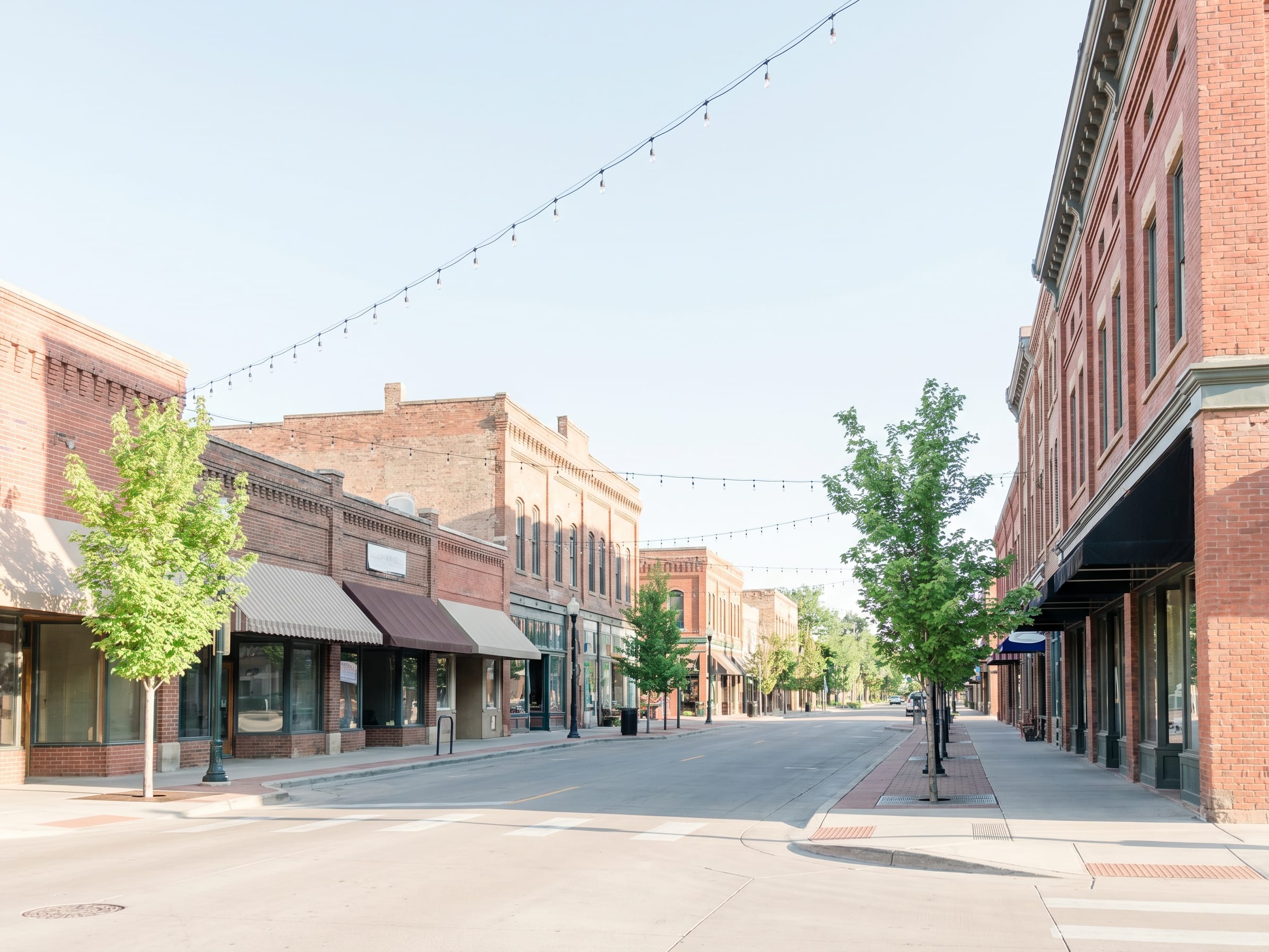
Pages that usually come next.
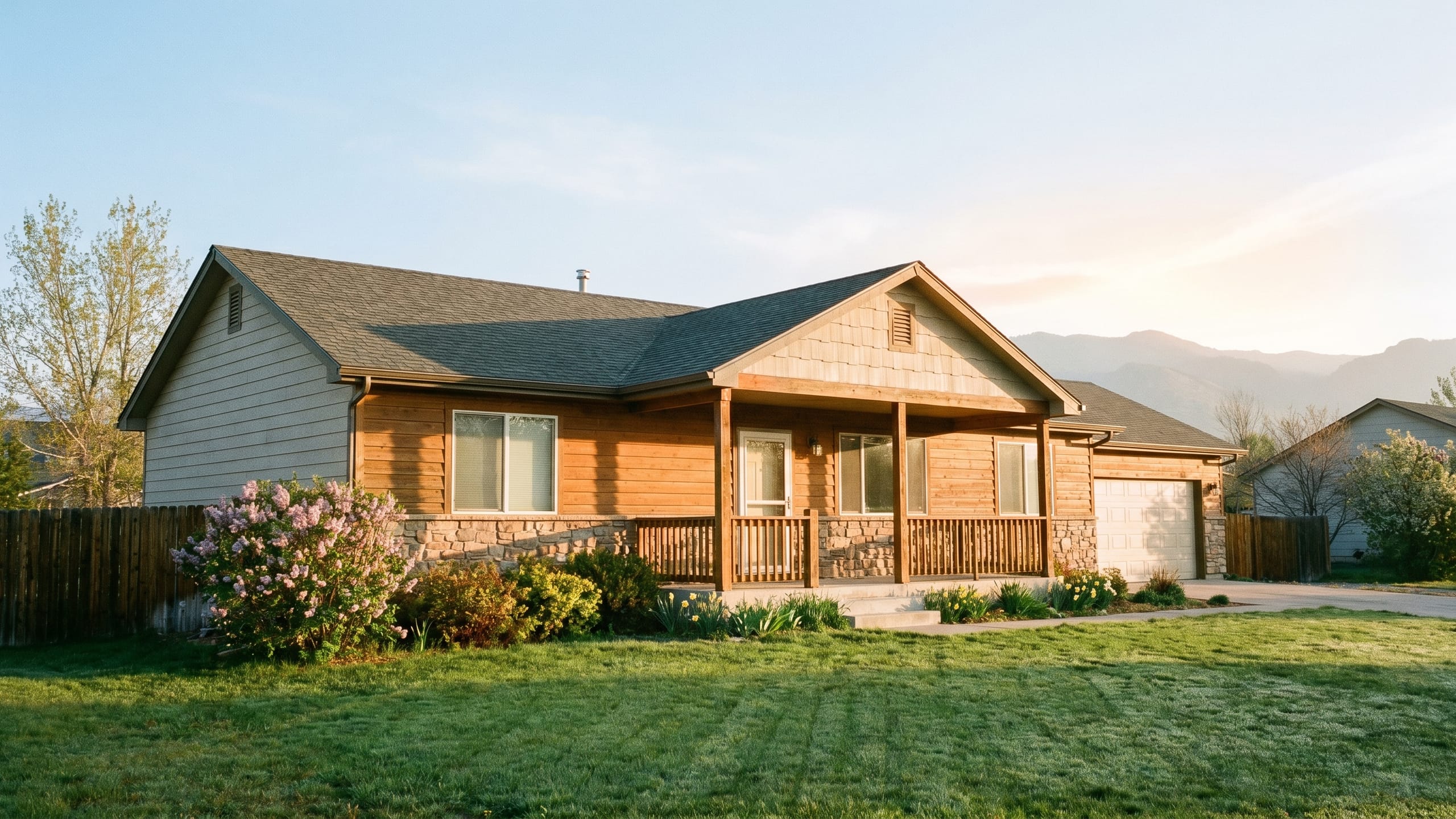
One number, and exactly how we got there.
Tell us about the house today and you’ll have a written cash offer, with the math shown, within 24 hours.