


Sell a fire damaged house as it stands, claim open or closed
A kitchen fire or a total loss, insured or not, boarded or not. We buy the house in the condition the fire left it, and we walk you through the insurance and permit questions before you decide anything.
You can sell a fire damaged house in Colorado without rebuilding it. Expert Cash Buyers purchases fire, smoke and water damaged houses as-is across Northern Colorado and the Denver metro, with the insurance claim open or settled. You get one written cash offer within 24 hours and you choose the closing date, as little as 14 days out.
Why a house after a fire is a different sale, and how we handle it
A fire leaves two kinds of damage. The first is the kind you can see: charred framing, a hole in the roof, windows that are boarded, a kitchen that’s gone. The second is quieter and often costs more. Smoke settles into drywall, insulation, ductwork and the framing itself. The water that put the fire out soaks the floors and the walls, and mold can follow within days, not weeks, in a house nobody is heating or drying; the EPA’s rule of thumb is that wet materials dried within 24 to 48 hours usually won’t grow mold. The electrical has to be opened up wherever heat reached it. Then comes the paperwork: an adjuster’s scope, a mortgage company whose name is on the insurance check, a letter from the building department, and a house you can’t live in while the mortgage, the taxes and the insurance keep billing every month.
We’re Amy and Jenny, two owners in Fort Collins who buy houses for cash and close at a local title company. We have walked houses with the drywall still wet from the hoses and houses that have sat boarded for a year while a claim dragged on. We don’t need the house cleaned, dried, gutted, tested or permitted before we look at it. We need the address, a few honest minutes about the fire and the claim, and a way to reach you. From there you get one number and exactly how we got there.
One thing to know before you read further: our offer prices in the whole rebuild, so it will be lower than what a fully restored house would bring on the open market. For some Colorado sellers, rebuilding through the insurer and then listing nets more, and when the numbers say so we’ll tell you. What sellers buy from us is the end of the carrying costs, the adjuster calls and the uncertainty, on a date they choose, with nothing to haul away.
We help Colorado homeowners who are facing one of these after a fire
- The claim settled and the check doesn’t cover the rebuild. The adjuster’s scope came in under the contractor bids. Send those bids to the insurer and ask for a supplement before you treat that gap as yours. If it holds, we buy the house at the stage it’s in and take the gap with it.
- The claim is still open and the house just sits. Adjuster visits, supplements, engineer letters, months of waiting. We buy with the claim open, and we tell you what to ask your adjuster before you sign anything.
- The building department posted a notice or a red tag. No occupancy until the repairs are inspected. We buy red tagged houses, and the permits and inspections are handled after closing, not by you.
- The fire was small but the smoke and the water weren’t. A kitchen fire that was out in minutes can leave smoke in every room and water in the floors and walls. We price the remediation and show you the figure.
- Mold followed the water. Fire suppression soaks a house, and mold can follow in a house that sits cold and wet. We buy houses with active mold and water damage without testing or remediation first.
- The structure is a total loss and the lot is what’s left. Demolition, debris removal and the demolition permit are handled after closing, not by you. You sell the property as it stands, foundation and ash included.
Can you sell a burned down house?
Yes. A house that’s a total loss still sits on a lot, and the lot has value with or without a structure standing on it. What you’re selling is the land, whatever remains of the house, the utility connections, and the work it will take to clear the site. A buyer prices that work in: demolition, hauling, and the fact that debris from a structure fire is handled and disposed of differently from ordinary construction waste. If a mortgage is on the property, the title company orders the payoff and reconciles it at closing against whatever the lender did with the insurance money, which is ordinary work. The one thing that can stop a sale is a shortfall. If the price plus any insurance the lender applies still doesn’t cover the loan and your closing costs, you either bring the difference to the table or the lender has to approve a short sale, and it doesn’t have to approve one.
A partial burn is a different conversation from a total loss. If the roof structure and the framing survived, a licensed engineer’s report is usually what establishes how far the damage went and what it would take to restore the structure, and the building department will want it before it issues a repair permit. The engineer doesn’t decide rebuild or teardown. The owner proposes, and the building official rules on it under the local code. We’ll tell you which one we’re pricing and why.
Sellers in this position generally have three paths, and most of the people who call us have already priced the first and the third and want a real number for the second.
Read more: Sell My House As Is Fast: Any Condition, No Repairs, Colorado →
- Rebuild through the insurance claim and then list the finished house, which brings the highest gross price if the claim covers the work and you can carry the property through a long rebuild.
- Sell the property as-is to a buyer like us, who takes the structure, the debris and the permits as they are.
- Demolish it yourself and sell the bare lot, which sounds clean but means funding the demolition, the local permit, a Colorado certified asbestos inspection and a demolition notice to the state health department with a ten working day wait before anything comes down, and carrying the lot until a builder or a neighbor buys it.
What happens to the insurance claim when you sell a fire damaged house?
Your policy controls this, not the buyer, so read it with your adjuster before you decide anything. We’re the buyer here, not your adjuster and not your attorney, and we don’t negotiate your claim with your insurer. That said, three situations come up over and over. In the first, the claim is settled and paid. If the house has a mortgage, the insurer’s check very often names the lender as well as you, and the lender may hold the funds and release them as repairs progress, or apply them toward the loan balance. If you then sell instead of rebuilding, the payoff at title reflects whatever the lender did with those funds. Ask your lender for a written payoff statement that shows exactly how the insurance money was handled, so the closing statement holds no surprises. Colorado also puts rules on a servicer holding insurance money on a loan that’s current (C.R.S. 38-40-106): an initial disbursement to the borrower, interest on what the servicer holds, and prompt payment of anything above what’s still owed. Ask the servicer in writing what it wants before it releases funds.
In the second situation, the claim is still open. The claim doesn’t travel with the deed. It belongs to you as the insured, and it reaches a buyer only if you assign it in writing. You may be able to sell the house and keep the claim, and it’s worth knowing what you’d be keeping: a replacement cost policy usually pays actual cash value first and holds back the depreciation until repairs are actually done and proved, so selling without rebuilding often means that holdback is never paid. Many policies say the policy itself can’t be assigned without the insurer’s consent. In 2014 the Tenth Circuit, applying Colorado law, read that kind of clause as covering assignment of the policy rather than assignment of a claim after a loss, and it expressly didn’t decide whether a clause aimed squarely at post loss claims would hold up. Your lender’s rights to the proceeds are unchanged either way. Have a Colorado attorney read any assignment before you sign it. Our written offer states plainly which of these we’re assuming and what happens to the number if the insurer or the lender won’t go along. In the third situation, there’s no claim to speak of: the policy had lapsed, the loss was excluded, or the claim was denied. Then the whole loss is yours, and the offer is built on the house exactly as it stands. Speed matters most here, because every month of carrying costs is money that doesn’t come back.
Three things are easy to miss here. Selling the house doesn’t end your contents claim: after a total loss of a furnished owner occupied home, Colorado requires the insurer to offer at least 30 percent of the contents limit without making you write an inventory (C.R.S. 10-4-110.8). If the total loss came from a wildfire the governor declared a disaster, that same statute stops an insurer from denying replacement cost or building code upgrade payments because you decided to rebuild at a new location or buy an existing house somewhere else, which can make keeping the claim worth more than selling the lot. And tell the county assessor in writing the date the improvements were destroyed, because C.R.S. 39-5-117 prorates the improvement value for the year only if the owner notifies the assessor before taxes are levied; miss it and the proration is waived. This is general information, not legal advice; confirm with a Colorado attorney.
Before you sign anything with anyone, these are the questions worth asking your adjuster, in writing if you can.
Read more: How Much Do Cash Buyers Pay for Houses? Our Offer Math, Shown →
- Is the claim being settled at actual cash value or at replacement cost, and is any part of the payment held back until repairs are actually completed?
- Is my mortgage company named on the check, and what does the lender require before it releases the funds?
- What does my policy say about assignment, and will the insurer keep working with me if I sell the house and keep the claim?
- Is debris removal covered as its own line, or does it come out of the dwelling limit?
- Does the policy pay for somewhere to live while the house is uninhabitable, and does that end when I sell?
- What deadlines apply to completing repairs or submitting a final proof of loss, and what happens to the claim if I miss them?
What about permits, the building department and a red tag after a fire?
After a structure fire, two agencies usually leave paper behind. The fire department writes a report on the cause and the extent, which your insurer will want. The city or county building department decides whether the house is safe to occupy. If it isn’t, a notice goes on the door, the red tag, and nobody lives there until the listed repairs are done and inspected. Utilities are commonly shut off by the responders and can’t simply be turned back on; the building department typically wants an inspection of the electrical and gas systems before service is restored. Don’t go back inside, and don’t turn the gas or the electric back on yourself, until the fire department or the building department says it’s safe.
Most fire repair is permitted work. Structural, electrical, plumbing and mechanical repairs need a permit; replacing finish materials, insulation, cabinets and fixtures often doesn’t, and your city or county draws that line. Permits are where a lot of well-meaning repairs go wrong: new drywall goes up over charred studs, a fresh coat of paint covers the smoke, and the house looks finished. Then a later buyer’s inspector opens a wall, finds the burn, finds no permit history, and the sale falls apart or the seller faces a disclosure problem. Don’t do this. It doesn’t raise the value and it can lower it.
When you sell to us, none of the permit work is yours. You don’t clear the red tag, pull permits, schedule inspections or restore the utilities. One thing does stay with you until closing: a building department notice carries its own deadlines, including how long you have to ask for a hearing, and those deadlines run against whoever owns the house at the time. Read the notice, call the department before any date on it passes, and give a copy to us and to the title company. Bring whatever letters and reports you have, from the fire department, the building department and the insurer, so the repair scope we show you is accurate. If your house already carries a red tag, the page linked below explains what the tag means and every option you have.
This is the permitted work a fire repair usually involves, and after closing none of it’s yours.
Read more: Selling a Red Tagged House: What the Tag Means and Your Options →
- Structural framing and roof repairs, each with its own permit and its own inspection.
- Electrical work wherever the heat reached the wiring.
- Plumbing and mechanical repairs.
- Demolition, which usually carries its own local permit plus the state asbestos inspection and notice, though a county may waive its own permit for a structure a fire destroyed outright.
- The inspections the building department wants before the gas and the electric go back on.
Does a house lose value after a fire?
Yes, and the honest question is by how much, and compared to what. A fully rebuilt house with permitted, inspected repairs and a clean final inspection can sell close to what its neighbors sell for, and only the comparable sales and an appraisal show whether the fire history still costs anything on your street. Some buyers ask about a fire in the history and a few walk away from it, and the Seller’s Property Disclosure you fill out will carry it, but a documented rebuild is a house most of the market will finance and buy. That’s the after-repair value, and it’s where our math starts. We take it from recent sales of comparable houses near yours, not from an online estimate.
From that number we subtract the full scope of the rebuild, and after a fire the scope is almost always larger than the visible damage. It typically includes structural repair or replacement where the fire reached, roof and sheathing, rewiring wherever heat affected the electrical, plumbing and mechanical, smoke and soot remediation in every room including the ones the fire never touched, water and mold remediation from the suppression, debris removal, and the permits and inspections that make the work sellable. Then we subtract our costs to hold and resell the house, and our margin. The result is the offer, and we’ll walk you through how we reached it. If you want to see the method in full, the offer math page walks through it. One thing our math doesn’t cover is your taxes. Insurance money plus a sale price can add up to a gain if the total runs past your basis in the house, and the home sale exclusion or a section 1033 replacement can reduce or defer it. Ask a tax professional before you sign.
The same math applies to a house with water damage or mold and no fire at all: a pipe that froze while the house sat empty, a sump that failed in a spring storm, a slow leak that has been feeding mold inside a wall for years. Ordinary loan programs treat active moisture and mold as something to fix before they’ll fund, which is why a house like that’s hard to list; renovation loans such as FHA 203(k) can finance the repair, but they thin the buyer pool and stretch the closing. We treat it as a remediation line item. You don’t need to dry it out, test it or tear it out before we make an offer. Tell us what you know, and we’ll show you the figure we used and how it moves the number.
Read more: Get a Cash Offer for My House: What You Receive in 24 Hours →
Rebuild through the claim, then list or sell it to us as it stands.
Rebuild through the claim, then list
- The repairs Yours to manage, with every permit pulled and every inspection passed before you can list it as a finished house. If the claim covers the work, insurance money usually funds it, released by the servicer as repairs progress.
- The claim Stays yours, and the rebuild moves at the pace of the adjuster, the supplements and the contractor bids.
- The red tag Yours to clear, because nobody lives there until the listed repairs are done and inspected.
- The waiting Months of carrying the house while the mortgage, the taxes and the insurance keep billing.
- The price The highest gross price, if the claim covers the work and you can carry the property through a long rebuild.
- What we will tell you That this is your better move, plainly, when the numbers say so.
Sell it to us as it stands
- The repairs None. Nothing gets cleaned, dried, gutted, tested or permitted before we look at the house.
- The claim Settled proceeds stay with you or go to your lender’s payoff. An open claim stays yours unless you assign it to the buyer in writing.
- The red tag The buyer’s after closing, along with the permits, the inspections and the utilities.
- The waiting You choose the closing date, as little as 14 days out, or later if the claim or your move needs the time.
- The price Lower, because the offer prices in the whole rebuild. No fees or commissions, and seller closing costs covered.
- What we will tell you Exactly how we got to the number, and you can ask us about any part of it.
How we build the number.
From recent sales of comparable houses nearby, not from an online estimate.
Structure, roof, electrical, smoke and soot remediation, water and mold remediation, debris removal, permits and inspections.
Title, insurance, utilities and taxes while the work is done, and the costs of selling the finished house.
Part of how we reached the number. Ask us about any part of it.
No fees or commissions, seller closing costs covered, nothing to clean out or haul away.
Settled proceeds stay with you or with your lender’s payoff per your policy. An open claim stays yours unless you assign it to the buyer in writing, and the offer says which we assumed.
What to have on hand.
- The fire department’s report on the cause and the extent of the fire, which your insurer will want
- Your policy and claim number, plus the adjuster’s scope of loss if one has been written
- Any settlement paperwork, including the check or the letter that named your mortgage company on it
- The building department’s notice or red tag, and any correspondence with the inspector
- A structural engineer’s letter or a contractor bid, if you already have one
- Your most recent mortgage statement, so the title company can request the payoff
- The Colorado Seller’s Property Disclosure, a Real Estate Commission form you or your broker fill in from what you actually know; the title company does not supply it
Three clear steps, and nothing to surprise you.
Tell us about the fire
Two minutes by form or phone. The address, when the fire happened, whether it was insured, and what the adjuster and the building department have said so far. You talk to Amy or Jenny, not a call center, and nothing needs to be cleaned, dried or boarded first.
Get one written offer with the rebuild math shown
Within 24 hours you receive one written, no-obligation cash offer, and we walk you through how we reached it: the after-repair value, the full repair scope we estimated, our costs and margin, and how we’re treating the insurance claim. Compare it against rebuilding and listing. If that path clearly wins, we tell you.
Pick the date and leave the house as it stands
You choose the closing date, as little as 14 days out or later if the claim or your move needs the time. Closing is at a reputable local title company. Seller closing costs are covered, there are no fees or commissions, and the house closes as it stands: boards, tarp, belongings and all.
Questions homeowners ask us.
Can you sell a burned down house?
Yes. A total loss still sits on a lot with value, and the property sells as land plus whatever remains, with the buyer taking on demolition, debris removal and the demolition permit. If there’s a mortgage, the title company orders the payoff and reconciles it at closing with whatever the lender did with the insurance money; if the price plus the insurance the lender applies still won’t cover the loan, the lender has to approve a short sale before anyone can close. Expert Cash Buyers buys total-loss properties across Northern Colorado as they stand. You don’t clear the site, pull permits or wait for the claim to close before you sell.
Does a house lose value after a fire?
Yes. How much depends on the scope of the rebuild and on how the repairs are documented. A house rebuilt with permits and inspections sells close to its neighbors, though the fire stays on the Seller’s Property Disclosure. A house sold before repairs is priced at that rebuilt value minus the full scope: structure, electrical, smoke and soot in every room, water and mold from suppression, debris and permits. Our written offer shows each of those lines so you can see exactly where the number came from.
Is it hard to sell a home that has had termites?
It’s harder than selling a house without them, and the difficulty tracks the damage, not the word. Termites are less common along Colorado’s Front Range than in wetter climates, but they do turn up, especially in older houses and wet crawl spaces. A treated infestation with a pest company’s paperwork and no structural damage is usually manageable in a listing. Active termites or damaged framing scare financed buyers and their lenders. We buy either way and price the treatment and the repair into the written offer.
How long after you sell a house are you responsible for repairs?
There’s no single answer. It depends on the contract you sign and on what you disclosed. Colorado has no fire specific disclosure statute. What you owe a buyer is the defects you know about that a buyer couldn’t reasonably find, plus the statutory notices under C.R.S. 38-35.7 and, for a house built before 1978, the federal lead paint disclosure. The Seller’s Property Disclosure the contract calls for is where the fire, the claim and the building department’s findings belong, plainly stated. When you sell to us, the contract is as-is: we have walked the house and read your disclosure, and after closing the house, every repair and every permit belong to the buyer, not you. For questions about exposure after an ordinary listed sale, ask a Colorado attorney.
What not to fix before selling a house?
Before selling to a cash buyer, skip the improvements, not the protection. Don’t paint over smoke, hang new drywall over charred framing, or start a rebuild you can’t finish and permit; cosmetic cover-ups hide damage a later inspector will find. Don’t spend the insurance check on partial repairs before you have decided. What you should do is what the policy already asks: a standard homeowner policy lists protecting the property from further damage as a duty after a loss, and it pays the reasonable cost of the measures you take. Board the openings, tarp the roof, get standing water out and the house drying, leave the utilities off until the department clears them, and keep photographs and receipts. If you plan to list, an agent can tell you which repairs return their cost.
Can I sell a house after a fire if the insurance claim is still open?
Usually, yes, and we buy houses with the claim still open. The claim doesn’t transfer with the deed: it stays yours unless you assign it in writing. So the two common structures are that you sell and keep the claim, usually collecting actual cash value because the replacement cost holdback is paid only when repairs are actually done, or that you assign the claim to the buyer by written agreement. Your lender’s rights to the proceeds apply either way. Our written offer states which structure we assumed and what changes if the insurer or the lender won’t go along. Your policy controls; read it with your adjuster before you decide.
Do you buy houses with water damage or mold when there was no fire?
Yes. A frozen pipe, a failed sump pump, a roof leak or a slow leak behind a shower does the same kind of damage the fire hoses do, and ordinary loan programs treat active moisture and mold the same way: a condition to fix before they’ll fund, which renovation loans can work around but most buyers won’t. We buy houses with water damage and mold across Northern Colorado and the Denver metro without asking you to dry, test or remediate anything first. The remediation is a line item in the written offer, and you can see how it moved the number.
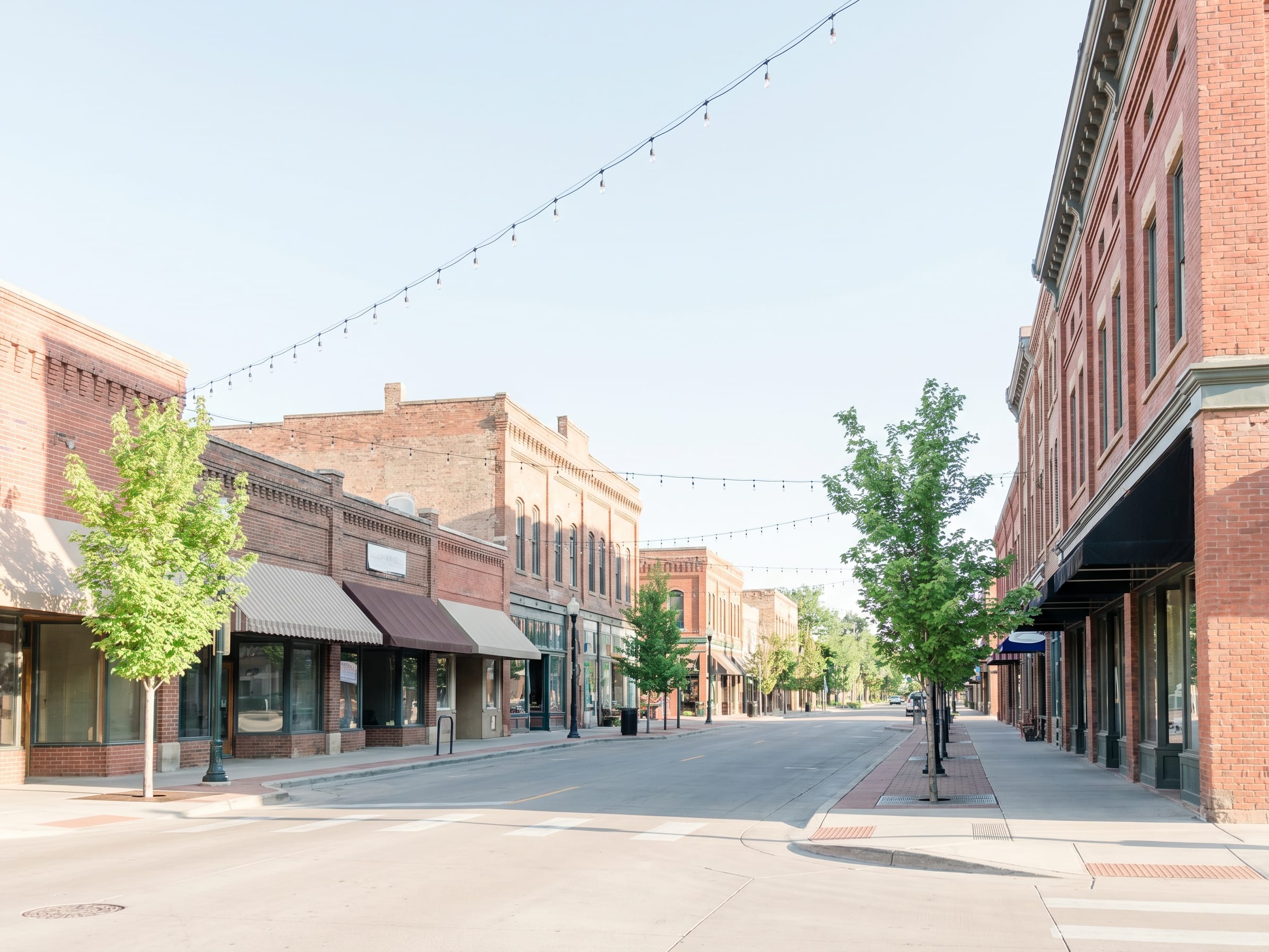
Local buyers, up and down the I-25 corridor.
We buy houses across Larimer, Weld, Boulder, and the Denver-metro counties: Fort Collins to the south metro, within about 15 minutes of I-25.
You have been through enough since the fire. The carrying costs do not have to keep going.
Tell us about the house and the claim, and within 24 hours you’ll have one written cash offer with the rebuild math shown, plus a plain answer on whether selling as-is or rebuilding through your insurer is the better path for you.