


How much do cash buyers pay for houses? Here is our math.
One number, and exactly how we got there. With every written offer from Expert Cash Buyers, we walk you through the after-repair value, the repairs, the costs and our margin, and you can ask about any part of it.
A cash buyer pays what your house would be worth once repaired, minus the cost of those repairs, the cost of buying, holding and reselling it, and the buyer’s margin. Expert Cash Buyers explains how each of those shaped your number, so a Northern Colorado seller understands how it was reached and can weigh it against listing.
Why a cash offer is lower than a list price, and by how much
Start with the honest part. A cash offer on a house that needs work is lower than the price that same house would bring after a renovation and a full listing. It has to be. The buyer is taking on the repairs, the months of ownership, the resale and the risk that the market moves while they hold it. What separates a fair cash buyer from an unfair one isn’t whether the number is lower. It’s whether you can see why.
Many fix-and-flip buyers screen a house with a rule of thumb, often a fixed share of the after-repair value minus repairs, and hand you a single figure. You’re asked to trust the percentage. We don’t think a seller should have to. We explain how we reached ours: the after-repair value we used and the nearby sales behind it, the repairs we counted, the costs of buying, holding and reselling, and the margin we need to run a business. That’s how we get to the number, and we’re happy to talk through any part of it.
Talking it through lets you check our work. If our repair estimate looks high, tell us what we missed. If a comparable sale we used doesn’t fit your street, show us a better one. And if listing with an agent would clearly net you more, we’ll say so before you sign anything. You’re a neighbor, not a lead.
What goes into every written offer from us
- After-repair value. Our estimate of what the house would sell for on the open market once it’s fully repaired and updated, drawn from recent sales near you, not from a statewide average; ask and we’ll name them. It’s an estimate, and you’re welcome to test it against an agent’s opinion.
- Repairs. Roof, foundation, systems, interior and exterior work. We explain what we’re pricing in, so you can question anything that looks off.
- Buying and holding costs. Title and closing costs on our side, insurance, property taxes and utilities for the months we expect to own the house while the work is done.
- Resale costs. The commission and closing costs we’ll pay when the renovated house is listed and sold to its next owner. We pay those, not you.
- Our margin. Not a hidden percentage. It’s how two local owners keep the lights on and keep answering the phone. Ask us about it and judge it for yourself.
- Your cash offer and your net. The offer is the result of everything above. Your net is the offer minus your mortgage payoff, any other liens paid at title, and the prorations every Colorado closing carries (the current year’s property taxes, which Colorado bills a year behind, and HOA dues). Seller closing costs are covered, and there are no fees or commissions.
How much will a cash buyer pay for my house?
There’s no single percentage that answers this, and any buyer who gives you one before seeing the house is guessing. The number depends on four things: what the house would be worth repaired, what it costs to get it there, what it costs to own and resell it, and how much margin the buyer needs. Condition is the largest variable. A house in Loveland with a sound roof, working furnace and dated finishes carries a much smaller repair line than a house in Greeley with a cracked foundation and a sewer line that needs replacing. Same after-repair value, very different offer. Expansive clay sits under most of the Front Range, Larimer as much as Weld, which is why foundation work shows up in Northern Colorado estimates at all.
That’s why we look at the house before we write the offer. A walk-through takes under an hour, and it protects you as much as it protects us. A buyer who skips it has to pad the repair line to cover the unknown, which lowers your offer. We’d rather see the crawlspace and count the real repairs than guess at them. The purchase contract still includes an inspection period, as most do.
Read more: Sell My House As Is for Cash: No Repairs, No Cleanout, Colorado →
- A house that needs paint, flooring and a kitchen refresh sits closer to its after-repair value than one that needs structural work.
- A house with an unpermitted addition or an open code notice carries a line for bringing the work into compliance.
- A house full of belongings costs us a cleanout crew, and that goes into the math too. You still take what you want and leave the rest. As-is changes what you fix, not what you disclose: defects you know about that a buyer couldn’t reasonably find, Colorado’s statutory notices, and the federal lead paint form for a pre-1978 house still get disclosed.
- A house with a tenant in place, a probate in progress or a foreclosure sale date changes the timeline and the holding costs, not the honesty of the math. A lease stays with the house and the deposit follows it under Colorado’s rules, an estate needs Letters from the court before anyone can sign, and a foreclosure sale date is set by the public trustee, so we work to it rather than around it.
Is it worth it to sell your home for cash?
It depends on what you’re trading. A listing sells to the widest pool of buyers and usually brings the highest gross price, but it usually means weeks of preparation, showings, an inspection that can turn into repairs or concessions, an appraisal and a loan approval if the buyer is financing, and the listing commission plus seller closing costs at the end. For a move-in ready house on a normal timeline, that trade is often worth it, and we’ll tell you so.
A cash sale trades some of that gross price for certainty and speed. No repairs, no cleanout, no showings, no appraisal, no financing contingency. The date is yours, as little as 14 days out or weeks later if you need the time, inside whatever legal deadline the situation carries. Seller closing costs are covered and there’s no commission. When the house needs real work, when a foreclosure sale date is set, when an estate needs to close, or when you simply don’t have the months a listing takes, the cash number after costs can be closer to a listing’s net than the gross prices suggest. If you’re behind on the mortgage, read our foreclosure page first: signing a contract with us doesn’t by itself stop the public trustee’s sale, you may still be able to cure the default through the public trustee, Colorado gives you specific protections when you sell to an investor, and a HUD-approved housing counselor is free.
The only way to know is to put both numbers side by side. Ask an agent what the house would list for and what you’d net after repairs, concessions, commission and closing costs. Then ask us for a written offer. Ours comes with the math shown, so the comparison is a real one.
Read more: Sell My House for Cash: A Written Offer, Math Shown →
Do cash buyers pay closing costs?
Some do, some don’t, and some say they do and then add fees back in on the settlement statement. At Expert Cash Buyers the seller’s closing costs are covered. That means the title and closing fees, the owner’s title insurance policy and the recording fees that normally sit on the seller’s side of the settlement statement are paid by us, and there’s no commission or service fee of any kind. The written offer is the purchase price, and it’s the purchase price that appears on the settlement statement.
Two things aren’t closing costs, and it’s worth being clear about them. Your mortgage payoff and any liens against the property are paid at closing from the sale price, through the title company, because they’re your debts and the contract, like every Colorado purchase contract, calls for clear title at closing. Property taxes and HOA dues are prorated to the closing date as they would be in any Colorado sale; Colorado bills property tax a year behind, so the seller’s share of the current year comes off the price. If the house is in an HOA, the association’s status letter and any transfer fee it charges are allocated in the contract and appear on the net sheet, and unpaid assessments are paid at title like any lien. If you live outside Colorado, the title company withholds 2% of the price toward Colorado income tax unless an exception applies (C.R.S. 39-22-604.5). Your net proceeds are the offer, minus payoff and liens, minus prorations and any withholding. We’ll show you that estimate before you sign so there’s no surprise at the closing table.
Read more: Can I Sell My House If I Still Owe on It? Payoff and Liens →
How to check a cash offer before you sign it
A good offer survives questions. Whoever you’re talking to, ask for the offer in writing, and ask them to walk you through the after-repair value, the repair estimate, the costs and the margin behind it. Ask which comparable sales they used and how recent they are. Ask how the purchase is funded, and who will close on the contract and when. Ask which title company will close the sale and confirm it’s a licensed Colorado title company you can call yourself. Ask whether the offer can change after inspection, and under what conditions.
Then read the contract for fees, the assignment terms and long inspection periods. Assignment doesn’t change your price by itself, but it does change who closes, so ask who that will be and when. We close at a local title company, and the purchase price on our offer is the purchase price on the settlement statement unless you and we agree in writing to change it; your check is that price minus payoff, liens and prorations. One more honest note: we’re the buyer, not your agent, appraiser or attorney. Our after-repair value and repair figures are our estimates and they set the price we offer, so an independent opinion from an agent or appraiser is always fair game.
Read more: Is We Buy Houses Legit or a Scam? How to Vet Any Cash Buyer →
Listing with an agent or a written cash offer from us.
Listing with an agent
- Price Usually the higher gross number; the open market sets it after repairs and preparation.
- Repairs and cleanout On you, before listing or as concessions after the buyer’s inspection.
- Timeline Weeks to prepare and list, then the buyer’s inspection, appraisal and loan approval before closing.
- Commission and closing costs Your listing agent’s fee, as agreed in the listing agreement, plus the seller’s closing costs, subtracted from the gross price; paying the buyer’s agent has been negotiable since 2024.
- Certainty A financed buyer can lose their loan or walk after inspection, and the process starts over.
- Best fit A house in good condition, sold on a normal timeline, where the extra gross price is worth the work and the wait.
A written cash offer from us
- Price Lower than a renovated list price, and we explain what makes up the difference.
- Repairs and cleanout None. Take what you want and leave the rest.
- Timeline Written offer within 24 hours; close in as little as 14 days, on the date you choose within any legal deadline the situation carries.
- Commission and closing costs No fees or commissions; seller closing costs covered.
- Certainty Cash, no appraisal, no financing contingency, one local title company.
- Best fit A house that needs work, a deadline you don’t control, or a situation where the months a listing takes are the real cost.
How we build the number.
From recent nearby sales; ask and we’ll name them.
Roof, foundation, systems, interior and exterior; ask about any of it.
Title, insurance, taxes and utilities for the months we own the house.
The commission and closing costs we pay when the renovated house sells.
Talked through, not hidden in a percentage.
One number, and exactly how we got there.
No fees or commissions of any kind.
Your net is what remains after payoff, liens and prorations.
Three clear steps, and nothing to surprise you.
Tell us about the house
The address and a little about the situation, by form or phone. You talk to Amy or Jenny, not a call center. We pull recent nearby sales and set a time to walk the house.
Walk through the math, then the number
Within 24 hours you receive one written, no-obligation cash offer, and we walk you through the after-repair value, repairs, costs and margin behind it. Ask about any part of it. Compare it against listing. We’ll tell you if listing clearly nets more.
Pick your date and close
Say yes and choose the closing date, as little as 14 days out or weeks later. Closing is at a local Colorado title company. Seller closing costs are covered, and you leave what you don’t want to move.
Questions homeowners ask us.
Is it worth it to sell your home for cash?
It’s worth it when the certainty, speed and savings on repairs, commission and closing costs are worth more to you than the extra gross price a listing might bring. That’s usually true for a house that needs work, a deadline you don’t control, such as a public trustee sale date (the lender can continue it, you can’t) or an estate that needs to close, or a seller who can’t carry the months a listing takes. For a move-in ready house on a normal timeline, listing often nets more, and we’ll say so.
How much are closing costs on a $250,000 house?
It depends on how the house is sold and who pays. In a listed sale the seller normally pays the listing agent’s fee, the owner’s title insurance policy, the closing and recording fees, and, as in every Colorado sale, the prorated property taxes and HOA dues through the closing date; Colorado’s documentary fee is small (one cent per hundred dollars of price) and is allocated in the contract. Title insurance is priced from the sale price, so the title company can quote your exact figure. When you sell to Expert Cash Buyers, the seller’s closing costs are covered and there’s no commission; the prorations still apply, because they’re ownership costs rather than closing costs. Your mortgage payoff is separate and comes out of the price at title.
How much less should you offer on a house when paying cash?
From the seller’s side, the fair answer is: less by an amount the buyer can explain. Many investors work backward from a fixed share of the after-repair value and subtract repairs, which is why cash offers land below a renovated list price. The discount should equal real costs: the repairs the buyer takes on, the money spent buying, holding and reselling, and a stated margin. If a buyer can’t explain those pieces, the discount is a guess. We explain ours.
Does the cash offer percentage of market value change with the condition of the house?
Yes, and that’s why we don’t quote a percentage before seeing the house. Two houses with the same after-repair value can carry very different repair lines. Dated finishes and a sound structure keep the offer closer to market value. A failing roof, a foundation moving on expansive soil, a sewer line replacement or an open code notice push it further away because those repairs come off the top. The percentage is an output of the math, not an input to it.
How much do you lose when you sell your house for cash instead of listing?
Compare nets, not gross prices. From a listing’s sale price, subtract the repairs and preparation you’d pay for, any concessions after inspection, the commission, seller closing costs and the months of mortgage, taxes, insurance and utilities while the house sits on the market. From our offer, subtract only your own payoff, any other liens, the prorations and any tax withholding that applies to you, all of which you’d owe in either sale. The gap between those two nets is what you actually give up, and for a house that needs work it’s often smaller than the gross prices suggest.
Why does a cash buyer need to see the house before writing the offer?
Because the repair line is the largest variable in the offer and it can’t be estimated honestly from photos. A buyer who skips the walk-through has to pad the repairs to cover what they can’t see, which lowers your offer. Our visit takes under an hour. We look at the roof, foundation, systems and interior, count the real work, and then write the offer.
Can I compare your written offer against listing with an agent?
Please do. Ask a local agent what the house would list for as-is and after repairs, and what you’d net after commission, closing costs and concessions. Set that next to our offer, and ask us to walk you through the after-repair value, repairs, costs and margin we used. If listing clearly nets you more, we’ll tell you so ourselves. Our offer is no-obligation and stays open long enough for you to make that comparison without pressure.

Pages that usually come next.
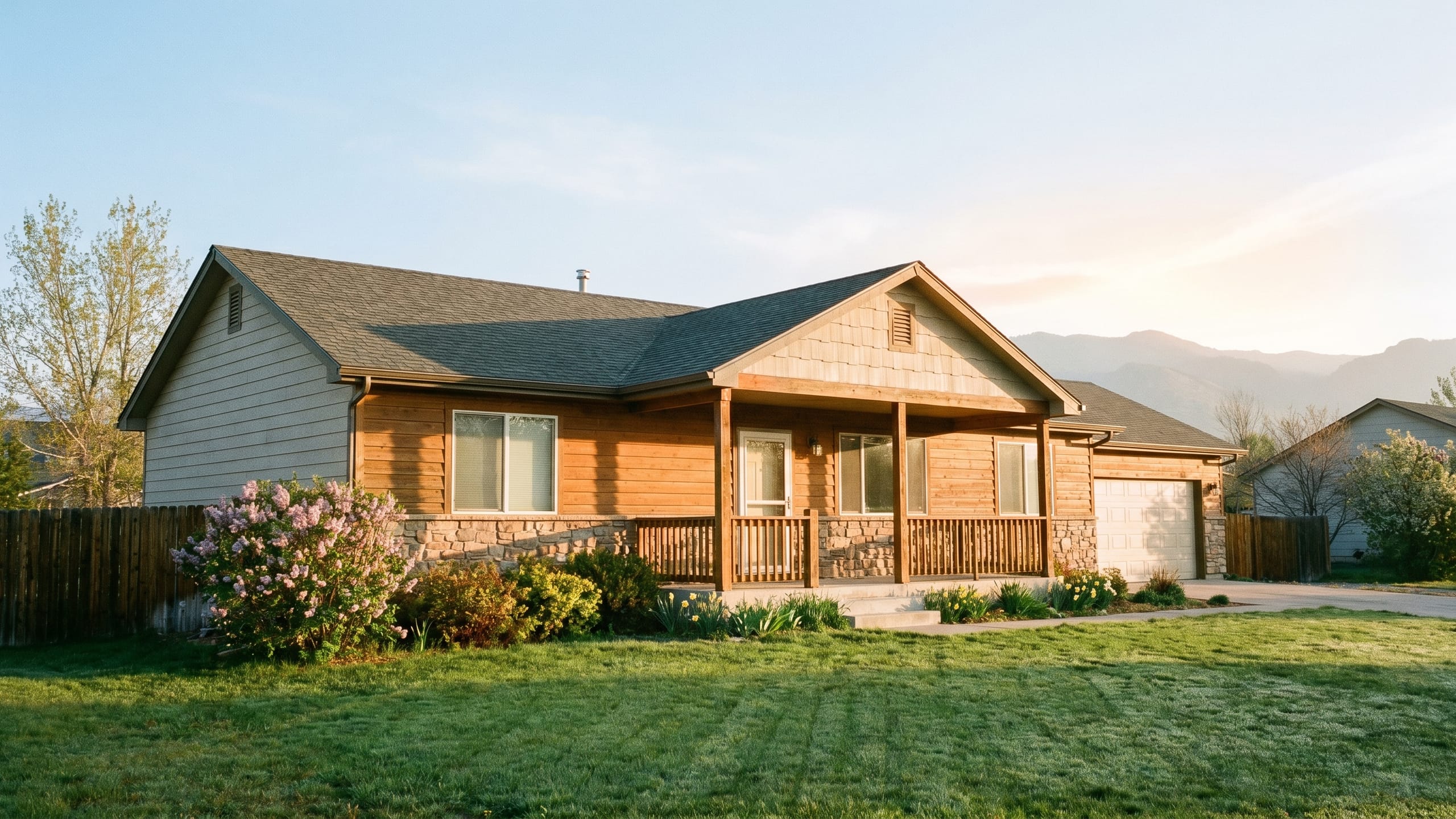
One number, and exactly how we got there.
Tell us about the house and within 24 hours you’ll have a written cash offer with the math laid out, no obligation, from two local owners in Fort Collins who answer their own phone.