


Sell a house with foundation problems, repaired or not
Stair-step cracks, a heaved slab, a bowed basement wall, a bid you didn’t ask for and can’t fund. We buy the house as it stands, and we walk you through the repair figure we priced in, so you can decide with real numbers.
You can sell a house with foundation problems in Colorado two ways: repair first and list, or sell as-is to a buyer who prices the repair into the offer. Expert Cash Buyers buys houses with foundation movement across Northern Colorado and the Denver metro: one written offer within 24 hours, the repair on its own line, closing on your date.
Foundation movement is common here, and it does not end the sale
Much of the Front Range sits on expansive clay. It swells when it gets wet and shrinks when it dries, and the Colorado Geological Survey measures that expansion force at twenty thousand pounds per square foot or greater, with losses running from cracked basement floors to severe structural damage. Whether a particular house has moved, and whether the cracking is cosmetic or structural, depends on the soil, the drainage and how the foundation was built, which is what an engineer is for. Often it shows up as hairline cracks in drywall and a door that sticks in spring. Sometimes it’s more: a crack you can fit a coin in, a floor that slopes toward one corner, a basement wall that has bowed inward, a slab that has lifted under the carpet. If you’re reading this, you probably already know which one you have.
What makes a foundation problem hard to sell isn’t the crack. It’s the unknown. A retail buyer sees the crack and imagines the worst. Their inspector flags it and recommends a structural engineer. Their lender reads the engineer’s letter and asks for the repair to be finished before closing. Every step adds weeks, and the Commission contract gives a financed buyer termination rights at inspection, appraisal, insurability and loan, each one live until its own deadline passes. Sellers who have been through one of those contracts usually come to us after it falls apart.
We’re Amy and Jenny, based in Fort Collins, and we do it differently. We buy the house with the foundation exactly as it is. We estimate the repair the way a contractor would, we put that estimate on its own line in the written offer, and we let you compare that number against the bids you have or the listing you’re considering. If fixing it and listing would clearly net you more, we’ll tell you. You’re a neighbor, not a lead.
We help Colorado homeowners who are dealing with a foundation like this
- Stair-step cracks in the brick or block, and a bid on the kitchen counter. Piers, anchors, epoxy: whatever the bid says, you don’t have to fund it to sell.
- A contract that died at inspection over the foundation. The buyer walked, the report is in your inbox, and the house is back where it started. Send us the report; we use it.
- An engineer’s letter that says structural, and a lender that says no. A lender’s repair condition isn’t our condition. We pay cash, so there’s no underwriter to satisfy.
- A basement wall that has bowed or a slab that has heaved. Water and clay did this over years. Leave it as it is; we take the wall, the slab and the carpet on top of it.
- Doors that stick, floors that slope, and no appetite for a season of jackhammers. You can sell before the work starts and never live through the repair.
- An inherited or long-held house with movement nobody ever addressed. Old settlement, old patches, no paperwork. We price what we see and walk you through it.
Why does so much of Northern Colorado have foundation movement?
It comes down to soil. Large parts of Larimer, Weld and Boulder counties and the Denver metro are built over expansive clay, the kind that takes on water and swells, then dries and shrinks. Builders here know it; that’s why so many newer houses sit on drilled piers or engineered floating slabs. Older houses, and plenty of newer ones, sit on footings that ride the clay up and down with every wet spring and dry fall.
Water management makes it worse or better. A downspout that dumps at the foundation, a sprinkler zone that soaks one side of the house, a grade that slopes toward the wall instead of away from it, a window well with no drain: each one feeds the clay on one side and starves it on the other. Wet clay swells and pushes, upward or sideways or both, and expansion accounts for nearly all of Colorado’s expansive soil damage, while the starved side shrinks and gives way. That uneven movement is why so many Colorado foundation problems show up on one corner or one wall rather than everywhere at once, and it’s also why which way a house has moved is a question for an engineer rather than a guess from where the water lands.
None of this makes the house unsellable. It makes it a house that needs a buyer who understands the soil. We buy houses with movement anywhere in our service area, and the first question we ask isn’t how bad the crack is. It’s where the water goes.
- Stair-step cracks in brick, block or stucco, usually near a corner.
- Horizontal cracks or inward bowing on a basement or crawlspace wall.
- A slab that has heaved: a hump under the basement floor, or a wall that no longer meets the ceiling.
- Doors and windows that stick in one season and swing free in another.
- Floors that slope, gaps between the baseboard and the floor, cracks radiating from window corners.
- A chimney or porch pulling away from the house.
Should you repair the foundation before selling, or sell it as is?
This is the real decision, and the honest answer is: it depends on the money you have, the time you have, and what the repair actually is. Repairing first usually brings the higher sale price. A finished, permitted structural repair with an engineer’s completion letter is what usually lets a retail buyer’s lender say yes; a transferable contractor warranty helps the next owner, but it isn’t the document the underwriter reads. Either way it takes the unknown off the table. If you can fund the work, wait through it, and then wait through a listing, that path often nets more than any cash offer, ours included.
Selling as-is wins when one of those three is missing. You don’t have the cash to front the repair. You don’t have the months for engineering, permits, the work itself, and then a listing with a buyer’s inspection on the far end. Or the repair is the kind that never fully reassures a retail buyer no matter how good the paperwork is. In those cases a cash buyer who prices the repair once, in writing, and closes on your date can leave you with a similar net and none of the risk.
Here’s how to compare, on paper rather than in your head. One caution before you start: our repair estimate is an offer calculation, not an engineering opinion, and a contractor’s bid is a proposal to sell you work. On real movement, an evaluation from a Colorado licensed professional engineer is the number both of those should be measured against. Whichever number is bigger is the right answer, and we’ll tell you if it isn’t ours.
Read more: How Much Do Cash Buyers Pay for Houses? Our Offer Math, Shown →
- Gather the written bids you already have, or get one bid if you have none.
- Start from the price a repaired version of your house would list for.
- Subtract the repair, the commissions and your share of closing costs.
- Subtract the carrying cost of the months the work and then the listing will take.
- Allow for the chance the buyer’s inspector finds something else.
- Set what’s left against our written offer, which already has the repair priced in.
What does a Colorado seller have to disclose about the foundation?
The duty is yours, and selling as-is or for cash doesn’t lift it. A Colorado seller discloses the defects they know about that a buyer couldn’t reasonably find, which on a house like this means the movement, the old patches, the past repairs and any engineer’s report you hold. Colorado adds statutory notices the seller gives, on special taxing districts, methamphetamine, potable water, oil and gas and radon in the C.R.S. 38-35.7 sections, and federal law adds the lead paint disclosure and the EPA pamphlet on a house built before 1978. The Colorado Real Estate Commission’s Seller’s Property Disclosure is the form the contract usually calls for: section 10.1 of the Commission contract has the seller deliver the current version, completed to the seller’s own actual knowledge, and the form asks in as many words about settling, movement, cracking and heaving of the foundation and about expansive soils on the property. We’ll ask you to fill it out, and we’d rather have the engineer’s letter, the old repair invoice or the contractor’s bid in hand than guess. What you hand over goes into the repair estimate rather than around it: if a report or a bid changes the repair number we assumed, we tell you what changed and how we got there.
The reason to disclose fully is simple: it’s the best protection you have, though it isn’t a guarantee. A written disclosure and an as-is clause don’t by themselves end a later claim, and Colorado courts have held that a buyer’s inspection which failed to reveal a latent defect the seller had a duty to disclose doesn’t absolve the seller. Whatever the house did while you owned it, write it down, hand over what you have, and keep a copy of everything you gave the buyer. This is general information, not legal advice; confirm with a Colorado attorney.
What if the foundation came with a red tag or a structural notice?
Sometimes the foundation problem isn’t just a crack. A building department has posted a notice, an insurer has declined to renew, or an engineer has written the word structural in a letter your lender or your buyer has seen. Selling a house with structural issues on paper narrows the pool sharply, because an ordinary purchase loan won’t fund a house with an open structural defect. It doesn’t narrow it to cash alone. A renovation loan, FHA’s 203(k) among them, lists repairing, reconstructing or elevating an existing foundation as eligible work, so one financed buyer can still get there, just slowly, because the scope, the contractor and the appraisal all have to clear before closing. We’re the fast end of that pool.
A notice on the door doesn’t usually stop a deed from transferring, but it does change the paperwork, and an unsafe or condemned placard bars anyone from living in the house until the department lifts it. Some Colorado jurisdictions go further and make it unlawful to sell under an open compliance order unless the violation is corrected or the seller hands the buyer a copy of the order and files a signed acknowledgment with the code official, so get the case file, ask the department that posted it what it wants when ownership changes, and expect any charge it has already assessed against the property to surface in the title work. We buy red tagged and noticed houses with the notice in place, and we take on the correction after closing. If your situation includes a posted notice, the red tag page walks through what the tag means, what it does and doesn’t require of a seller, and how the sale closes with it still on the door.
Read more: Selling a Red Tagged House: What the Tag Means and Your Options →
- A posted notice changes the paperwork, and an unsafe or condemned placard bars anyone from living in the house until it’s lifted.
- An insurer that won’t renew is a real reason to move, and a Colorado homeowners policy excludes earth movement, settling, cracking, bulging, shrinkage or expansion, so a claim won’t fund the repair.
- We buy with the notice still on the door and the case still open.
- The correction becomes the buyer’s job after closing, not a condition you have to satisfy first.
Repair first, then list or sell as-is to us.
Repair first, then list
- Foundation repair You hire the contractor, fund the work, and manage it.
- Engineer and permits Engineering, permits and inspections as the scope and the local code require. A buyer’s lender may also want the engineer’s completion letter.
- Timeline Engineering, permits, the work, then listing, then a buyer’s loan and inspection period.
- Buyer financing Possible once the repair is finished and documented.
- Fees and commissions Agent commissions plus your share of closing costs, deducted at title.
- Risk after the contract The buyer’s inspector may find something else; the deal can fall through.
- What you net Often the bigger number, if you can fund the work and wait for it.
Sell as-is to us
- Foundation repair Left as it is. We estimate it and walk you through the figure.
- Engineer and permits Not required. If you have a report, send it; it can only help the offer.
- Timeline Written offer within 24 hours, closing in as little as 14 days on your date.
- Buyer financing None needed. Cash means no underwriter with a repair condition.
- Fees and commissions No fees or commissions; seller closing costs covered.
- Risk after the contract The buyer’s, from closing day.
- What you net One written number with the repair already inside it. Compare it before you decide.
How we build the number.
From recent nearby sales of similar houses.
Replaced with your engineer’s report or written bids when you have them.
Whatever else the house needs to sell at full retail.
Title, holding costs, resale costs and the margin that keeps us in business.
No fees, no commissions, seller closing costs covered.
How it unfolds, start to close.
Where you are today
A crack you keep measuring, a bid on the counter, an engineer’s letter, or a contract that just died at inspection. Whatever you already have, keep it. Photographs, letters and old invoices make everything after this faster.
Two numbers, in the same week
Get one written bid from a foundation contractor who works in Colorado clay, and tell us about the house so you have a written offer within 24 hours. Then you’re comparing numbers instead of guessing.
Count the months, not only the money
On the repair side, add engineering, permits and the work itself, then the listing, then a buyer’s inspection and loan period. Add what the house costs you to carry through all of it.
Pick the path and the date
If repairing and listing clearly nets more and you can fund the work and wait for it, do that, and we’ll say so. If not, you choose the closing date, in as little as 14 days or later if you need the time.
What to have on hand.
- Any structural engineer’s report or letter about the house, even an old one
- Written bids from foundation contractors, however many you have
- Invoices and warranty paperwork from foundation work already done
- The inspection report from a buyer whose contract fell through over the foundation
- Any notice a building department has posted, and the case number on it
- The Colorado Real Estate Commission Seller’s Property Disclosure form, which a broker supplies in a listed sale and which you otherwise get blank from the Division of Real Estate, never from a title company
Three clear steps, and nothing to surprise you.
Tell us about the house and the foundation
Two minutes by form or phone. The address, what you have noticed (cracks, sticking doors, a sloping floor, a bowed wall) and anything you have on paper: an engineer’s letter, a contractor’s bid, an old repair invoice, a notice from the city. You don’t need any of those to start. You talk to Amy or Jenny.
Get one written offer with the repair priced in
Within 24 hours you receive one written, no-obligation cash offer. It has the foundation repair priced in, and we walk you through how we reached it and what you’d net. Put it next to your bids and your listing math. If repairing and listing clearly wins, we’ll tell you.
Pick your date and leave the foundation to us
You choose the closing date, as little as 14 days out or later if you need the time. Closing is at a reputable local title company, seller closing costs are covered, and there are no fees or commissions. Leave the repair, leave the cleanout, take what you want and go.
Questions homeowners ask us.
How hard is it to sell a house with foundation issues?
Harder on the open market than it needs to be, because most buyers rely on a lender, and lenders often want a documented repair before they fund. That means engineering, bids, permits and weeks of waiting, with the buyer free to walk at inspection. Selling to a cash buyer removes the lender from the equation. We buy the house with the movement as it stands, price the repair on one written line, and close on your date. The trade-off is price: a repaired house lists for more than an unrepaired one sells for.
Do sellers have to disclose foundation issues?
Yes, and selling as-is or for cash doesn’t change it. A Colorado seller discloses the defects they know about that a buyer couldn’t reasonably find, which covers foundation movement, past repairs and any engineer’s report you hold, with the statutory notices in the C.R.S. 38-35.7 sections and the federal lead paint disclosure on a house built before 1978 on top of that. The Colorado Real Estate Commission’s Seller’s Property Disclosure is the form the contract calls for, and it asks about settling, movement, cracking and heaving of the foundation and about expansive soils on the property. Full disclosure is the best protection you have, not a guarantee against a later claim. The blank form comes from a broker or from the Colorado Division of Real Estate, never from a title company.
Is it a good idea to sell a house after foundation repairs?
Often, yes, if the repair was done by a contractor licensed in the city or county where the house sits, permitted where the building department required it, and closed out with an engineer’s letter. Colorado licenses foundation and general contractors locally rather than statewide, so ask the city, not the state. Buyers and their lenders treat a documented, inspected repair very differently from an open crack, and a repaired house usually sells for more than an unrepaired one. Keep every invoice, the permit record, the engineer’s letter and any transferable warranty together. If the repair is done and documented, listing with an agent may net you more than a cash offer, and we’ll tell you that when we see the file.
Is it okay to buy a house with foundation problems?
It can be, for a buyer who understands what they’re buying and has the cash to fix it. That’s the business we’re in. For a typical retail buyer using a mortgage, foundation problems are a harder purchase because the lender may condition the loan on repairs. The common outcomes are a lower agreed price, a repair credit, or a contract that falls apart at inspection. If you’re the seller, that’s why an unrepaired foundation narrows your pool to cash buyers, investors and the smaller set of buyers willing to use a renovation loan.
How much does it typically cost to fix a foundation?
There’s no honest single figure. The cost depends on what moved and why: a crack injection is one price, a drainage and grading fix is another, and steel or helical piers under a settled corner are priced per pier, so the count drives the total. A bowed basement wall with anchors or bracing is its own job. Get written bids from local foundation contractors who work in Colorado clay. If you sell to us you never fund any of it; our offer shows the repair budget we assumed so you can check it against those bids.
Can you live in your house while foundation repair is done?
Often, but the engineer, the contractor and the building official decide that, not a rule of thumb. Pier installation, wall anchors and drainage work usually happen from outside or in the basement, and the living space frequently stays usable, with noise, dust and a torn-up yard for the duration. Interior slab work or a major wall rebuild can put parts of the house off limits for a stretch, and where an unsafe or condemned placard is posted nobody occupies the house until the department lifts it. If the idea of living through a repair is part of why you want out, that’s a reasonable reason to sell as-is instead: you move on your date and the work happens after you’re gone.
Will a bank finance a house with foundation problems?
Sometimes, and rarely on a standard purchase loan while the defect is open. A lender will want a structural engineer’s report, and Fannie Mae won’t buy a loan on a house whose defects are severe enough to affect safety, soundness or structural integrity until the repair is done; the escrow holdback route is for postponed work that touches none of those three. A renovation loan is the real financed path, and it’s slower. That uncertainty is the main reason an unrepaired foundation makes a retail sale fragile: the contract depends on an underwriter who hasn’t seen the house yet. A cash purchase has no lender in it, which is why we can close on a date you choose regardless of what the report says.

Local buyers, up and down the I-25 corridor.
We buy houses across Larimer, Weld, Boulder, and the Denver-metro counties: Fort Collins to the south metro, within about 15 minutes of I-25.
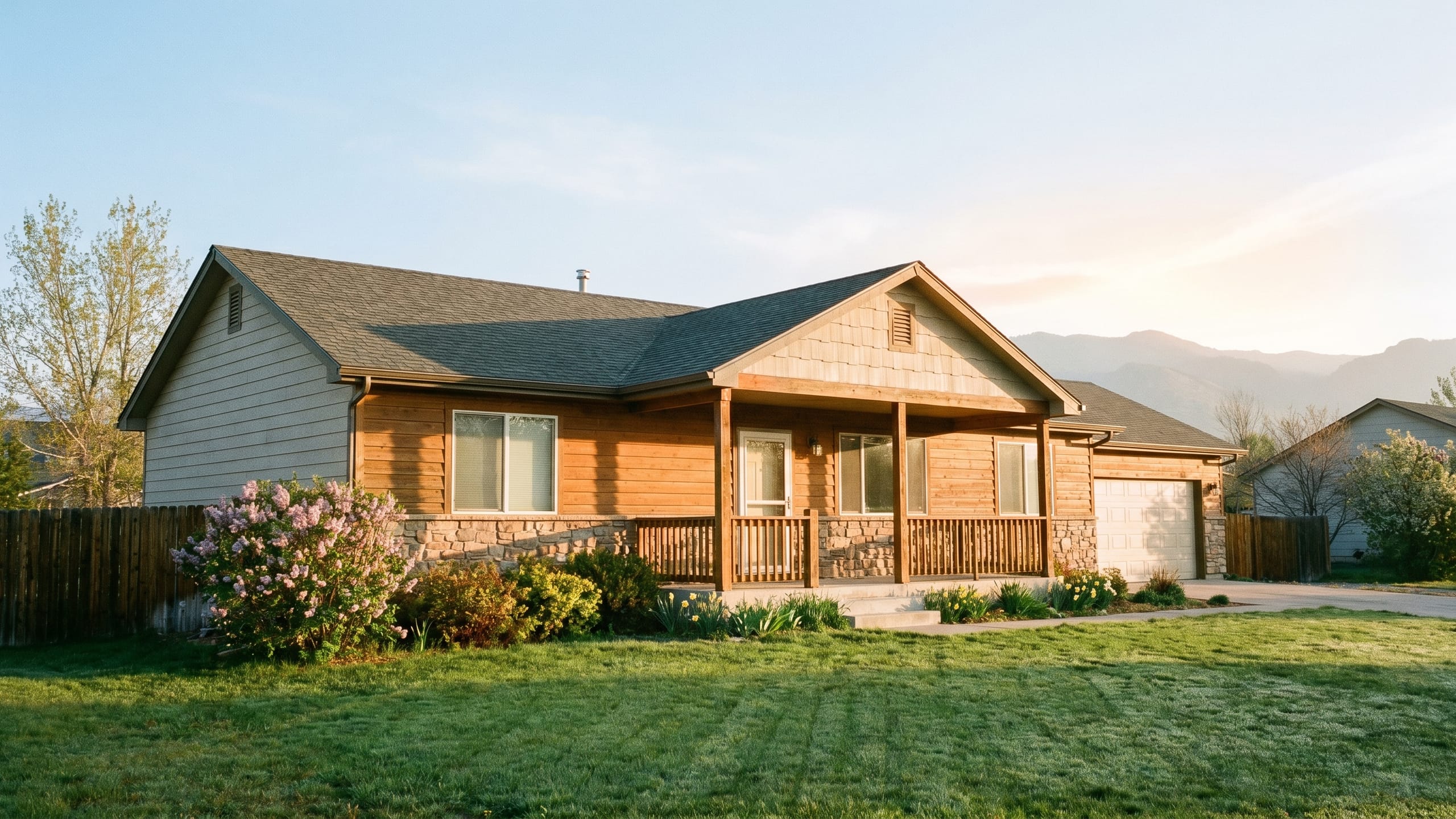
One written number, with the foundation already in it
Tell us about the house and what it has done, and within 24 hours you’ll have one written cash offer with the repair priced in, plus a plain answer on whether repairing and listing would net you more.