


The Colorado eviction process, from notice to writ
The notices Colorado requires, the court forms and where to file, the service rules, what happens at the hearing, when the sheriff can carry out the writ, and the shortcuts that can cost a landlord far more than the rent.
A Colorado eviction is a court case, and it starts with the right written notice, like the ten-day demand to pay or leave for unpaid rent under C.R.S. 13-40-104, or thirty days where the federal notice rule applies. A complaint and summons in county court, service and a hearing follow. After judgment, the sheriff can carry out the writ no sooner than ten days later.
A court process with fixed steps, and no shortcuts.
Amy and Jenny talk with a lot of Northern Colorado landlords who are tired. The tenant stopped paying in the spring, or the lease ended and the tenant stayed, or the house is being damaged faster than the deposit could ever cover. Most of them have never filed an eviction, and the first thing they want is the sequence: what happens, in what order, and how long it takes.
This guide lays out that sequence using the Colorado Judicial Branch’s residential eviction instructions and forms, and the statutes cited in each section. Colorado’s rules have changed several times in recent years, including longer notice periods and the 2024 law that requires a legal cause to end most tenancies, so older advice online is often wrong.
It is general information for landlords, not legal advice; confirm with a Colorado attorney before you serve a notice. Tenants facing an eviction can find free help through Colorado Legal Services and the court’s self-help centers.
Step one is the right written notice
Nothing can be filed until the correct notice has been served and its time has run. For unpaid rent, C.R.S. 13-40-104 requires ten days’ written notice demanding either the rent or possession of the property, and a lease cannot waive it. Since 2025, C.R.S. 38-12-1502 also requires landlords to follow the federal 30-day notice rule for nonpayment where it applies, which includes rentals in federal housing programs and rentals with a federally insured, guaranteed or backed mortgage, so check your loan before you count the days. The Judicial Branch form for unpaid rent and other lease violations is the Demand for Compliance, JDF 99A.
Other situations use other notices. Repeat or substantial violations use the Notice to Terminate Tenancy, JDF 99B. A no-fault ending such as selling the house or major repairs uses the Notice of No-Fault Eviction, JDF 99C, with at least 90 days’ notice. Since 2024, most residential tenancies can only be ended for a cause the statute recognizes, even at the end of a lease.
Every notice must be in the tenant’s primary language. Some tenants also have a right to mediation before an eviction is filed, so check whether that applies before you count the days.
Wrong notice, wrong case. Judges dismiss on it.
Filing the complaint and serving the tenant
Once the notice period has passed without payment or compliance, the landlord, or an authorized agent, files the Eviction Complaint, JDF 101, and the Eviction Summons, JDF 102, with a copy of the notice. The case is filed in the county where the property is located.
The tenant must be served at least 7 days before the hearing date printed on the summons. A sheriff, a private process server or an adult who is not a party can serve the papers personally. If a diligent attempt at personal service fails, the server can post the papers in a conspicuous place on the property, usually the main door, and the landlord must also mail copies by first-class mail no later than the next business day after filing. Posting and mailing only supports a judgment for possession; to collect back rent or damages as a money judgment, the tenant must be served personally. Since 2025, a tenant who has given the landlord notice of being a victim of domestic violence, stalking or sexual abuse can only be served personally.
The answer, the hearing and the judgment
The tenant can file an Eviction Answer, JDF 103, raising defenses such as improper notice or unlivable conditions. A tenant who does not answer or appear risks a default judgment. Either side can ask for a jury trial, and many cases settle at the courthouse with a written stipulated agreement, JDF 106A, that sets a move-out date or a payment plan.
Bring the lease, the notice and proof of service, a rent ledger, and photos if damage is part of the case. If you win, the court enters judgment for possession and, with personal service, for the money owed.
Keep your records simple and complete.
The writ of restitution and the sheriff
A judgment does not remove anyone by itself. The landlord asks the court for a Writ of Restitution, JDF 109, and under C.R.S. 13-40-122 the court cannot issue it until 48 hours after judgment. For a residential tenancy, the sheriff cannot carry it out until at least ten days after judgment, or thirty days for tenants receiving certain public benefits, with exceptions that include small landlords with five or fewer single-family rentals.
The landlord schedules the removal with the county sheriff’s office and pays its fee. The writ can only be executed in daylight, between sunrise and sunset.
What a landlord may not do
Colorado law does not allow self-help evictions. Under C.R.S. 38-12-510, it is unlawful to remove or exclude a tenant without court process, and that includes shutting off utilities or removing doors, windows or locks. A landlord who does it can owe the tenant actual damages plus the greater of three times the monthly rent or $5,000, along with costs and attorney fees.
The statute’s narrow exceptions are mutual consent and a tenant who has clearly abandoned the unit. Anything short of that goes through the court.
Read more: Squatters Rights in Colorado: What Property Owners Can Do →
How long an eviction takes, and selling instead
Add up the minimums for an uncontested nonpayment case: ten days of notice, or thirty where the federal notice rule applies, at least seven days between service and the hearing, then ten days after judgment before the sheriff can act. Even a fast case rarely finishes in much less than a month, and a contested hearing, mediation, a jury demand or a busy docket can stretch it well beyond that. Lost rent and legal fees keep adding up the whole time.
Some landlords decide they would rather sell. Depending on the house and the lease, we can often buy with the tenant in place, as-is, so the tenancy becomes the buyer’s to manage after closing. If you would rather deliver the house vacant, the sale can wait for the case to finish. Either way you pay no fees or commissions.
Read more: Sell a House With Tenants: Leases, Notice, Deposits, and Closing →
Finishing the eviction, then selling or selling with the tenant in place.
Finishing the eviction, then selling
- Time A month at the very least, often more, before the house is empty
- Costs Filing and sheriff fees, attorney time, lost rent
- Condition Repairs and cleanout after the tenant leaves
- Sale List the vacant house and wait for a buyer
Selling with the tenant in place
- Time Close in as little as 14 days, on a date you pick
- Costs No fees or commissions; we cover the seller’s closing costs
- Condition As-is, with no cleanout
- Sale Depending on the house and the lease, often possible with the tenant there
How it unfolds, start to close.
Serve the written notice
Ten days to pay or leave for unpaid rent on the Demand for Compliance, or thirty days where the federal notice rule applies, or the notice that fits your situation. In the tenant’s primary language.
File in county court
After the notice period runs, file the complaint and summons with a copy of the notice in the county where the property sits.
Serve the tenant
Personally, or, if a diligent attempt at personal service fails, by posting and mailing, at least seven days before the hearing date on the summons.
Answer and hearing
The tenant may file an answer and raise defenses. The judge hears the case, or the parties settle by stipulation.
Judgment and writ
After judgment, the writ can issue in 48 hours. The sheriff can carry it out no sooner than ten days after judgment, in daylight.
Read it from the source.
- Colorado Judicial Branch, residential evictions the official instructions and every JDF form named on this page
- Colorado Legal Services, evictions free help for tenants facing an eviction
- Colorado Revised Statutes the official text of title 13, article 40, and title 38, article 12
Questions homeowners ask us.
How long does an eviction take in Colorado?
Rarely less than a month for an uncontested nonpayment case, once you add the ten-day notice (thirty days where the federal notice rule applies), at least seven days between service and the hearing, and ten days after judgment before the sheriff can act. Contested hearings, mediation and court calendars often make it longer.
Can a tenant be evicted immediately in Colorado?
Not lawfully. Every residential eviction needs a notice, a court case and a judgment, and the sheriff cannot carry out the writ until at least ten days after judgment. Lockouts and utility shutoffs are illegal and expensive.
Can I write my own eviction notice in Colorado?
You can, but the safer route is the Judicial Branch form for your situation, such as the Demand for Compliance, JDF 99A, for unpaid rent. A notice with the wrong period or wrong content can get the case dismissed after you have already waited it out.
Can a landlord file an eviction without a lawyer in Colorado?
The court’s forms and instructions are written so an owner can file without one, and many small landlords do. An attorney is worth it for a contested case, a tenant with defenses, a commercial lease or any question about whether the 2024 cause rules allow the eviction.
Can I sell a rental house in the middle of an eviction?
Usually, if the buyer agrees to take the house as it is. Depending on the house and the lease, we can often buy with the tenant in place. Talk to your attorney about what happens to the pending case when the house sells.
What counts as abandonment of a rental in Colorado?
Under C.R.S. 38-12-510, abandonment is shown by things like returned keys, most belongings removed, notice from the tenant, or a long absence with unpaid rent that would lead a reasonable person to conclude the tenant gave up possession. When in doubt, file.

Pages that usually come next.
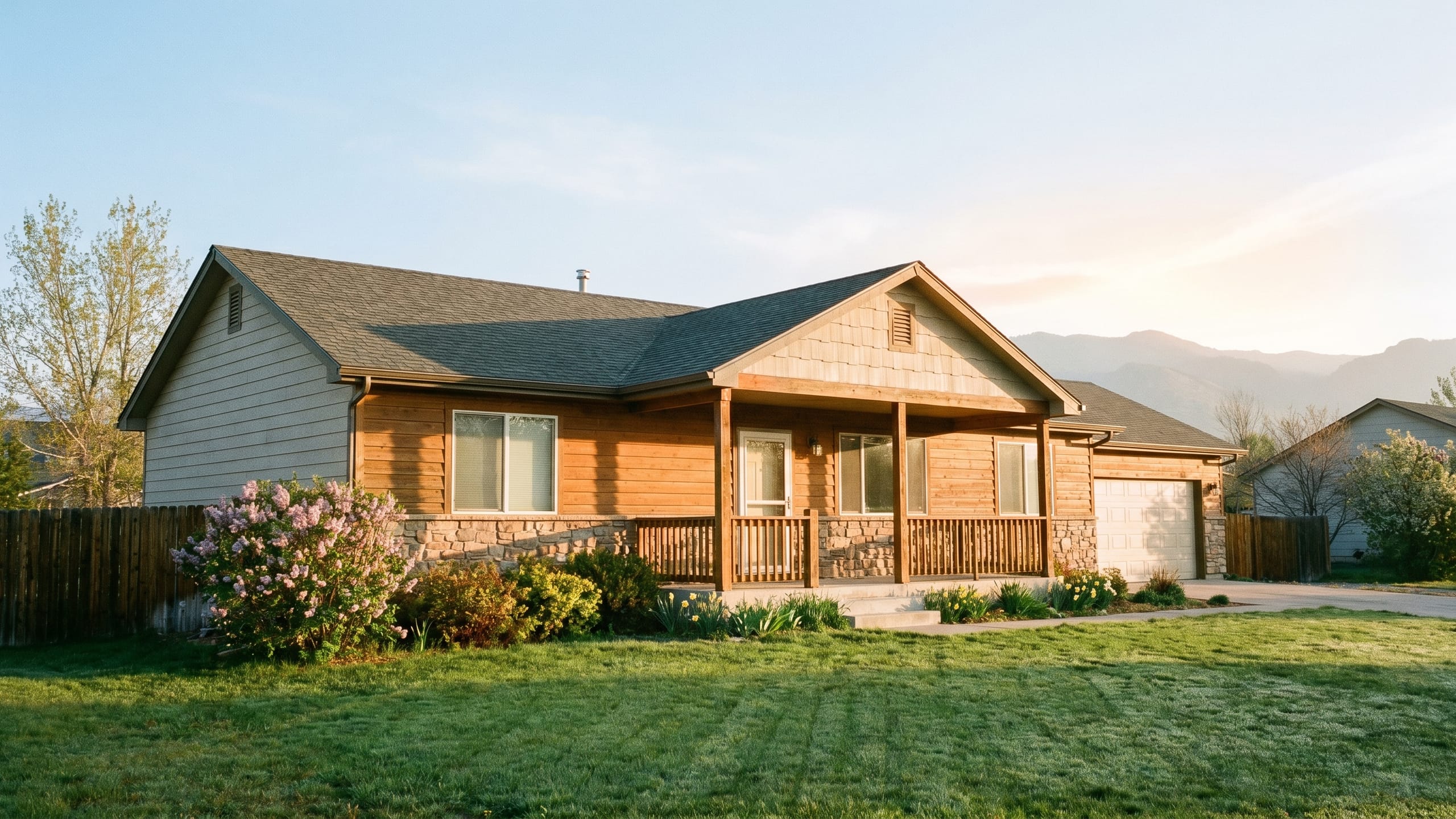
Done being a landlord? Ask about selling with the lease in place.
Tell us about the house and the tenancy. Within 24 hours of that conversation you will have a written cash offer, and depending on the house and the lease we can often buy with the tenant in place. You pay no fees or commissions.