


Quitclaim deeds in Colorado, and when another deed fits better
What the Colorado statutory quitclaim form actually transfers, the situations it suits, the risks it carries for both sides, how to record one with the county clerk and recorder, and the deeds that do some jobs better.
A Colorado quitclaim deed transfers whatever interest the signer has in a property, if any, with no warranty of title (C.R.S. 38-30-113). People use it between spouses or relatives and to clear up title. The signer normally signs before a notary, and the deed is recorded with the county clerk and recorder, along with a transfer declaration when one is required. It does not remove anyone from a mortgage.
A simple deed that is easy to misuse, so read this first.
Quitclaim deeds come up on a lot of the houses Amy and Jenny buy. An ex-spouse signed one after a divorce. A sibling quitclaimed their share of a parent’s house to the one handling the sale. A previous owner used one to move the house into a trust, or to add a partner to title years ago. Most of those deeds did exactly what they were meant to do.
Problems start when a quitclaim is used for a job it cannot do. It will not take your name off a loan. It promises nothing about the title, so the person receiving it takes whatever problems come with it. And it is permanent once recorded, even between relatives who later disagree.
This guide walks through the Colorado rules using the statutes named in each section. It is general information, not legal advice; confirm with a Colorado attorney before you sign or record any deed.
What a quitclaim deed does, and what it does not
Colorado’s statute provides short forms for four kinds of deeds. Under C.R.S. 38-30-113, a warranty deed promises good title, a special warranty deed promises it only against claims arising while the seller owned the property, and a bargain and sale deed conveys the property without warranty words. The quitclaim deed is the fourth, and it uses the words sell and quitclaim instead of convey.
The statute describes the quitclaim as a deed without covenants of warranty that passes no after-acquired title of the grantor. In plain terms, the signer hands over whatever interest they hold at that moment, which might be full ownership, a half share, or nothing at all, and makes no promise about liens, other owners or defects in the title.
That makes it a good tool for releasing a claim. It is a poor tool for selling a house to a stranger, because the buyer gets no promise at all about what they are paying for, and the seller stands behind nothing.
When people use a quitclaim deed
Most quitclaims move property between people who already trust each other. One spouse adds the other to title, or removes themselves as part of a divorce settlement. An owner moves the house into a revocable trust or a single-member LLC. A relative who may hold a sliver of interest, from an old estate or an earlier transfer, signs a quitclaim so the title is clean for a sale.
Title companies also ask for quitclaims to fix problems. A name was misspelled on the last deed, or a former co-owner’s interest was never formally released. The quitclaim does not need to state a price, and the signer usually receives nothing for it.
In each case the person signing is giving something up, not selling it.
The risks for the person signing and the person receiving
For the signer, the biggest risk is the mortgage. A deed changes who owns the house. It does not change who owes the loan. Quitclaim your share to an ex-spouse and your name stays on the mortgage until the loan is refinanced or paid off, so late payments still land on your credit. Talk to the lender and an attorney before you sign.
For the person receiving it, the risk is the title. With no warranty, any lien, judgment or competing ownership claim comes along with the house, and there is no promise from the signer to fall back on. A title search before you accept a quitclaim, even from a relative, is cheap protection.
Taxes are the quiet risk. A house received as a gift during the owner’s life generally keeps the giver’s tax basis, while a house received at death usually gets a basis equal to its value on the date of death. A quitclaim to an heir before death can therefore mean a larger taxable gain when the heir sells. A CPA can run the numbers.
Read more: Colorado Beneficiary Deeds: How Transfer on Death Deeds Work →
Completing and recording a quitclaim deed in Colorado
Start from the current recorded deed, because the new one needs the exact legal description of the property. The quitclaim must show the grantee’s legal address, including a street address where one exists; under C.R.S. 38-35-109(2), a deed without it cannot be recorded. The grantor signs in front of a notary, who acknowledges the signature.
Record it with the clerk and recorder of the county where the property sits. Colorado is a race-notice state under C.R.S. 38-35-109(1), so an unrecorded deed is not valid against a later buyer or lender who records first without knowing about it. Record promptly.
Then file the state paperwork with it.
Two state requirements come with recording. When the deed is subject to the documentary fee, a real property transfer declaration, form TD-1000, signed by the grantor or the grantee, must go with it under C.R.S. 39-14-102, and the county assessor can charge a penalty if it is missing. A gift deed with no price may not need one, so ask the clerk and recorder. The documentary fee under C.R.S. 39-13-102 is one cent per $100 of consideration, and applies only when the consideration is more than $500, so most no-money quitclaims owe none. The county also charges its own recording fee.
Quitclaim deeds and selling the house
A quitclaim is often the step that makes a sale possible. When an heir, an ex-spouse or a former co-owner still appears on title, their quitclaim to the person selling clears the way, and the title company will usually tell you exactly whose signature it needs.
Going the other direction, buyers rarely accept a quitclaim as the deed for a sale itself. They expect a warranty or special warranty deed, backed by title insurance. If you are selling to us, the title company prepares the closing deed and handles the recording and fees, and any quitclaims needed to clean up the chain of title are part of that work. We cover the seller’s closing costs.
Read more: Sell an Inherited House: Belongings, Siblings, Distance, One Sale →
Other deeds that do some jobs better
To leave a house to someone at your death without probate, a beneficiary deed recorded during your life usually fits better than a quitclaim now, because you keep full ownership and control until you die and the heir may receive a stepped-up basis. To sell, use the deed your buyer and title company expect. In a probate estate, the personal representative signs a personal representative’s deed under the authority of the court’s Letters.
A divorce usually needs both the decree and a deed. The decree says who gets the house; a recorded deed carries out the transfer in the county records.
Pick the deed for the job, not the one that is easiest to print.
A quitclaim deed or a warranty deed.
A quitclaim deed
- What it transfers Whatever interest the signer has right now, if any
- Title promise None
- Typical use Between spouses and relatives, into a trust, or to clear a claim
- Later-acquired title Does not pass
A warranty deed
- What it transfers The property, with the seller standing behind the title
- Title promise Full covenants of warranty
- Typical use A sale to a buyer, backed by title insurance
- Later-acquired title Passes to the buyer
What to have on hand.
- The current recorded deed, for the exact legal description
- The grantee’s legal address, with a street address where one exists
- Photo identification for the notary
- A real property transfer declaration, form TD-1000, if the clerk and recorder says your deed needs one
- The county recording fee, plus any documentary fee if consideration exceeds $500
Questions homeowners ask us.
What is a quitclaim deed in Colorado?
A deed that hands over whatever interest the signer holds in a property, with no promise that the title is good. Colorado’s short form appears in C.R.S. 38-30-113 and uses the words sell and quitclaim. It passes no title the signer acquires later.
What are the four types of deeds in Colorado?
The statute sets out warranty, special warranty, bargain and sale, and quitclaim deeds. They differ in how much the signer promises about the title, from full covenants on a warranty deed to none on a quitclaim. Beneficiary deeds, which transfer at death, are a separate tool.
Does a quitclaim deed have to be signed in person?
Colorado law does not make notarization a condition of a valid deed, but an acknowledged signature is treated as evidence that the deed was properly signed, and the county clerk and recorder expects a signed, notarized original. In practice the grantor signs in front of a notary. Ask the notary or the county clerk and recorder what forms of notarization they accept. The person receiving the property does not need to sign.
Why do people use quitclaim deeds?
Mostly to move property between people who trust each other: adding or removing a spouse, settling a divorce, moving a house into a trust, or having an heir or former co-owner release a claim so a sale can close. Title companies also use them to fix errors in the record.
What are the downsides of using a quitclaim deed?
The receiver gets no title promise and inherits any liens or competing claims. The signer stays on the mortgage. A gift during life can carry the giver’s tax basis instead of a stepped-up one. And once recorded, it cannot simply be taken back.
Does a quitclaim deed take my name off the mortgage?
It cannot. The deed changes ownership, while the loan is a separate contract with the lender. Your name stays on it until the loan is refinanced, assumed with the lender’s approval, or paid off.

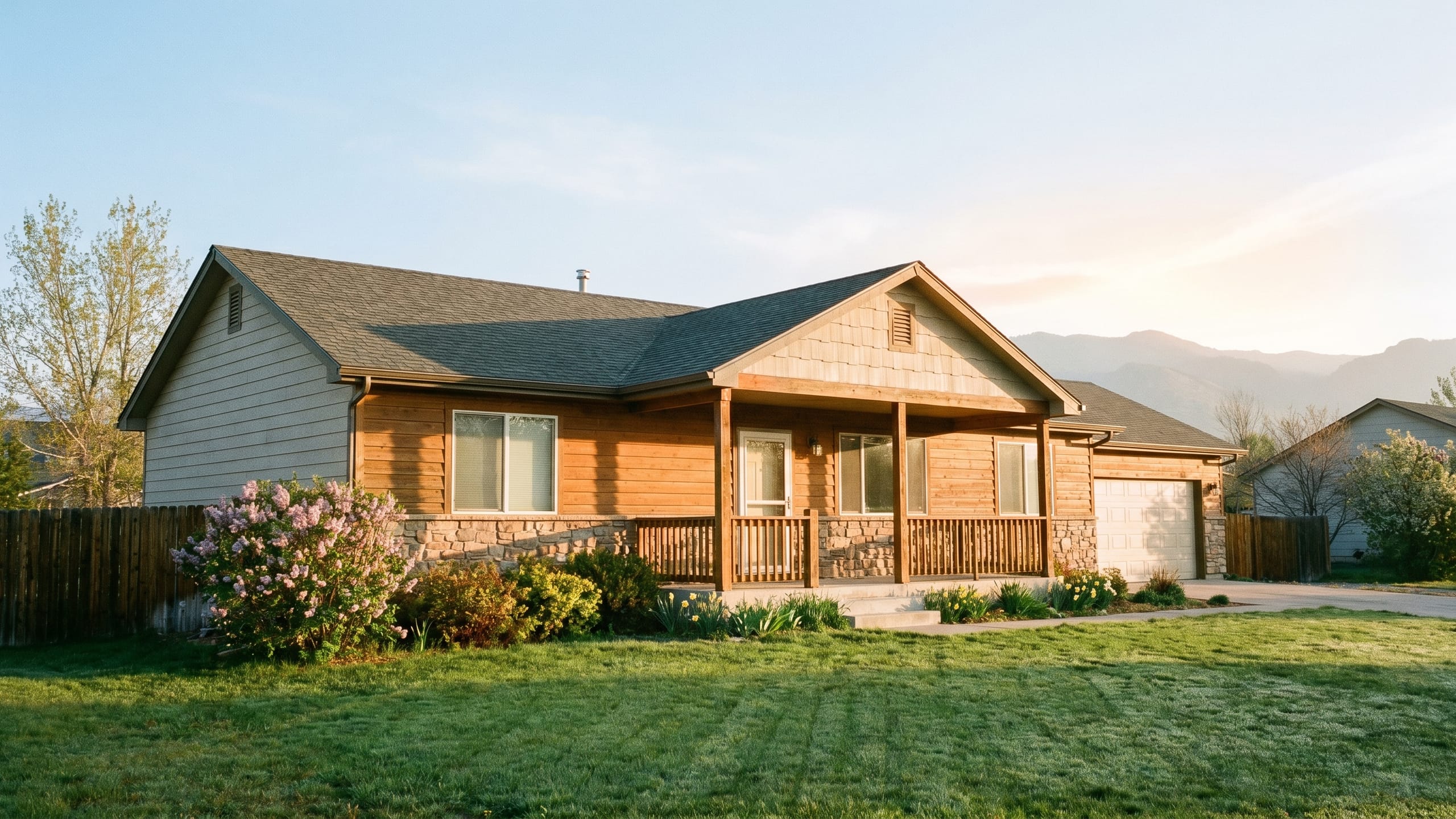
Title cleaned up? Let us make you an offer.
Tell us about the house and who is on title. Within 24 hours of that conversation you will have a written cash offer. You pay no fees or commissions, and the title company handles the deed and recording at closing.