


Sell a house with tenants, lease and all
You may not have to wait for a vacancy, serve a termination notice, or deliver an empty house. Depending on the house and the lease, we can often buy the property with the lease in place and take the tenant, the terms and the deposit at closing.
Yes, you can sell a house with tenants living in it. In Colorado the lease transfers with the property: the buyer takes the tenant and the lease terms at closing, and the security deposit follows under Colorado’s transfer rule. Depending on the house and the lease, Expert Cash Buyers can often buy tenant-occupied houses as-is across Northern Colorado and the Denver metro, with one written offer within 24 hours and a closing date you choose.
Why a tenant in the house stops a normal sale, and why it does not stop ours
Most buyers who tour a house want to live in it. A tenant with months left on a lease means they can’t, so the pool of people who will make an offer shrinks to investors, and investors shop on numbers, not on paint. Add the practical problems: showings arranged around someone else’s life, photos of someone else’s furniture, a tenant who isn’t thrilled about strangers walking through, and an agent who quietly suggests you wait until the place is empty. Waiting costs you the mortgage, the taxes and the insurance for every month of vacancy, plus the turnover work when the tenant leaves.
We’re Amy and Jenny, two owners in Fort Collins who buy houses for cash and close at a local title company. Depending on the house and the lease, we can often buy rental property with tenants in place. The lease comes with the house, the deposit moves to us with the written notice to the tenant that Colorado requires, and the tenant’s next rent check comes to us instead of you. You don’t serve a termination notice, you don’t stage anything, and you don’t repair the things a long tenancy wore out. Until closing you’re still the landlord, so heat, water and safety problems still get handled under Colorado’s warranty of habitability; the worn flooring and the dated kitchen don’t. One walkthrough, scheduled with the tenant under whatever notice the lease requires, and we have what we need.
The honest trade-off is the same as on every page of this site. A direct cash offer on a tenant occupied property is below what a vacant, freshly painted house might bring on the open market, and we walk you through how far below and why: the after-repair value, the repair and turnover budget, our costs, our margin. If the lease is ending soon and the house would show well empty, listing may net you more even after commissions and carrying costs. When that’s clearly true, we’ll say so before you sign anything.
The tenant situations we buy in Colorado
- A fixed-term lease with months left. The lease transfers to us at closing exactly as written. Nobody has to move for the sale. You stop being the day-to-day landlord on your closing date, and your deposit liability ends once the deposit is transferred and the tenant is notified in writing.
- A month-to-month tenancy. You can sell with the tenancy in place rather than ending it. We take it over; any later notice is our decision and our paperwork, and since 2024 Colorado requires a legal cause even to end a month-to-month tenancy in most cases.
- Rent that’s behind, or a lease that isn’t being kept. Late rent, unpaid utilities, damage beyond the deposit. We price the house as it stands and take on the collection or the court process after closing.
- An occupant who stayed past the lease end. A holdover is still a sale we can close. We buy the house with the situation attached, and it becomes ours to resolve, lawfully, through the courts if it comes to that.
- A long tenancy in a house that needs work. Years of ordinary wear that nobody is going to fix between tenants: flooring, kitchen, bath, furnace, roof. We buy as-is with no cleanout and no turnover.
- An inherited rental, or a rental owned from out of state. The tenant keeps paying, the estate or the owner keeps carrying it, and nobody wants to manage it. One closing ends that, with proceeds split at title if the house is already in the living owners’ names. If the deed still names the person who died, a personal representative has to be appointed before anyone can sell; our inherited house page covers that.
What happens to the lease, the deposit and the rent when the house sells?
In Colorado the lease goes with the property. When the deed transfers, the buyer steps into the landlord’s shoes: the same lease, the same rent, the same end date, the same rules about pets, parking and who mows. The tenant doesn’t sign anything new and doesn’t have to agree to the sale. What changes for them is the name on the rent check and the phone number to call when the water heater fails. The new owner sends the tenant an introduction letter at closing. You send one letter too, described next, because Colorado puts the deposit notice on the seller.
The security deposit moves with the lease, and Colorado sets the rule (C.R.S. 38-12-103). Within 60 days after closing, whoever holds the deposit, which is you, must either transfer it to the new owner and notify the tenant by mail of the transfer and the new owner’s name and address, or return it to the tenant. Only then is the old landlord released from deposit liability, and wrongfully keeping a deposit carries triple damages. In practice the title company shows the deposit as a credit from you to us on the settlement statement; ask the title company or us for the tenant letter at closing so the notice goes out the same day. The same goes for any prepaid rent, and the current month’s rent is prorated to the closing date so each side gets the days it owned the house. If you hold a deposit ledger, a rent roll or a move-in inspection from the start of the tenancy, bring copies. The title company will want the lease, and we want the history so we can treat the tenant fairly on the way out, whenever that is.
This is general information, not legal advice; confirm with a Colorado attorney. Since 2024, for most Colorado tenancies of a year or more, a landlord needs a legal cause to end the tenancy or refuse a renewal (C.R.S. 38-12-1303). Selling the house counts as a no-fault reason, but only at the end of the lease term, only with at least 90 days’ written notice that names the move-out date, and only if the house isn’t re-rented for 90 days afterward unless it was listed for sale. Tenants in place less than a year, owner-occupied homes of up to three units, employer housing and short-term rentals are exempt, and the older, shorter notice periods still apply to them. Nothing about the sale itself requires you to end the lease. That’s the point: you sell, and the lease keeps running, under a new owner.
Is it better to sell a house with or without tenants?
It depends on who the buyer is. To a buyer who wants to move in, a tenant is an obstacle, and to their lender a lease can be a complication. Those buyers usually pay the most, and most of them need the house empty, clean and photographed, or at least empty by the time they move in. To an investor, a paying tenant is income from the first day and a reason to skip the turnover. So the real question isn’t whether tenants lower the price. It’s which path nets more once you count the months.
Waiting for vacancy means carrying the house with no rent coming in: the mortgage, the taxes, the insurance, the utilities you now pay, and the turnover work a long tenancy leaves behind. Then the listing period, then a buyer’s inspection and loan. If the lease is ending and the house would show well, that math can still favor listing, and we’ll tell you so. Run the calendar honestly, though: for most Colorado tenancies of a year or more, ending the tenancy to sell takes at least 90 days’ written notice and can’t cut off an unexpired term, so a lease that ends next month rarely means a vacant house next month. If the lease runs another year, if the rent is behind, or if the house needs more than paint between tenants, selling the rental property with tenants in place often nets more once you count the months, and it ends sooner. The written offer lets you check that against a listing estimate.
There’s a third path people forget: sell to the tenant. Some tenants want to buy the house they live in and can’t get financing in time. We have no stake in that beyond telling you it exists. Ask them. If it doesn’t work out, our written offer is still on the table, and the rental property page below walks through the vacant-versus-occupied decision in more depth.
Read more: Sell My Rental Property: Occupied or Vacant, Without Listing It →
- Lease ends within a few months, the house shows well, and you can give the 90 days’ notice Colorado requires: consider listing after vacancy.
- Lease runs long, or the tenant is month to month and paying: sell with the tenant in place.
- Rent is behind or the lease isn’t being kept: sell occupied rather than starting a court process yourself.
- Deferred maintenance from a long tenancy: sell as-is; the turnover is priced in, not done by you.
What do you tell the tenant, and when?
Selling the house doesn’t by itself require a termination notice, because the lease survives the sale. Practically, tell the tenant early and in writing, because a tenant who hears about a sale from a stranger at the door stops trusting the landlord and starts making calls. A short letter works: the house is being sold, the lease stays exactly as it is, the deposit will transfer to the new owner, and here’s when someone will need to walk through.
That walkthrough is the only entry we need, and it happens on the tenant’s terms under the notice your lease requires for entry. No sign in the yard. No lockbox. No weekends of open houses. Amy or Jenny comes once, looks at the roof, the systems and the condition, and leaves. With a cooperative tenant we can often do it inside a week of your first call. With a difficult one we can usually price the house from the exterior and your records, and confirm the interior before closing.
Notice to end a tenancy is a separate matter, and it’s one we take over, not one we ask you to handle. Colorado’s rules on ending a tenancy changed in 2024: for most tenancies of a year or more you need a legal cause, and selling is one only at lease end, with at least 90 days’ written notice. If you want the tenancy ended before the sale for your own reasons, confirm the current notice requirement with a Colorado attorney before you send anything. If you’re selling to us, you don’t need to send it at all. The offer page explains what arrives in your inbox within 24 hours and what we need from you to produce it.
Read more: Get a Cash Offer for My House: What You Receive in 24 Hours →
Selling a house with bad tenants, holdovers, and squatter rights in Colorado
When a seller searches for selling a house with bad tenants, they usually mean a lease that isn’t being kept: rent that arrives late or not at all, a house that’s being damaged, calls and letters that get no reply, or someone who stayed after the lease ended and hasn’t left. Every one of those is a situation we buy. The house is priced as it stands, the unpaid rent and the damage go into the math we show you, and the problem transfers to us with the deed. You don’t have to win a court case before you can sell.
A note on squatter rights in Colorado, because the phrase comes up. An occupant who was never a tenant, or a tenant who is now a holdover, can’t simply be locked out. Removing someone who is living in a house goes through the courts, and an owner who changes the locks, shuts off utilities or hauls belongings to the curb can end up on the wrong side of that process. The court route takes time and paperwork, which is exactly why owners sell occupied houses to buyers who are set up to handle it. A Colorado attorney can tell you where your particular occupant stands; we can tell you what the house is worth with the occupant in it.
What you shouldn’t do is let the house sit while you decide. Vacant and unsecured is worse than occupied, in a Northern Colorado winter and in the eyes of your insurer. If the house has reached the point where repairs are stacking up on top of the tenant problem, the as-is page explains how we price a house nobody has maintained, and why that number is still often better than the cost of fixing it yourself.
Read more: Sell My House As Is Fast: Any Condition, No Repairs, Colorado →
Wait for vacancy, then list or sell with the tenant in place.
Wait for vacancy, then list
- The tenant Must leave first. For most tenancies of a year or more that means a legal cause: selling counts, but only at lease end, with at least 90 days’ written notice, and a tenant who stays goes through the courts.
- Carrying costs Mortgage, taxes, insurance and utilities with no rent coming in, for as long as it takes.
- Turnover work Cleaning, paint, flooring, repairs and staging before the first photo.
- Showings Open houses and private showings on the buyers’ schedule, with a sign in the yard.
- Timeline Vacancy, then prep, then market time, then a buyer’s inspection and loan.
- Fees and commissions Agent commissions plus your share of closing costs, deducted at title.
- Price Usually the highest gross number, if the house shows well and the market holds.
Sell with the tenant in place
- The tenant Stays. The lease and the rent transfer to us at closing; the deposit follows with the written tenant notice Colorado requires.
- Carrying costs Rent keeps coming to you until the closing date, then stops being your concern.
- Turnover work None. We buy as-is, and the turnover is priced into the offer, not done by you.
- Showings One walkthrough with Amy or Jenny, scheduled through the tenant. No sign, no lockbox.
- Timeline Written offer within 24 hours; close in as little as 14 days, on your date.
- Fees and commissions No fees or commissions; seller closing costs covered.
- Price Lower than a vacant, staged listing, and we walk you through how much lower and why.
What to have on hand.
- The current lease, with any addenda, renewals or side agreements
- The security deposit amount and the ledger showing where it is held
- Rent roll or payment history for the tenancy, including anything unpaid
- Move-in inspection or condition report, if one was done
- Copies of any notices sent to or received from the tenant
- If the tenant has a housing voucher, the HAP contract and the housing authority’s contact; that contract cannot move to a new owner without the housing authority’s written consent
- Tenant contact information and the best way to reach them
- Which utilities are in your name and which are in the tenant’s
- HOA rules on rentals, if the property is in an association
- For a house built before 1978, any lead paint records; the federal lead disclosure and Colorado’s radon disclosure still apply to a cash, as-is sale
Three clear steps, and nothing to surprise you.
Tell us about the house and the lease
Two minutes by form or phone. The address, the lease type and end date, what the rent is and whether it’s current, and anything about the tenancy you want us to know. You talk to Amy or Jenny, not a call center.
Get one written offer with the math shown
Within 24 hours you receive one written, no-obligation cash offer, and we walk you through how we reached it: after-repair value, the repair and turnover budget, our costs, our margin, and the number you’d net. The lease and deposit terms are written into it. Compare it against listing after vacancy; if that clearly wins, we tell you.
Close on your date; the tenant stays put
You pick the closing date, as little as 14 days out or later if the lease or your plans need it. At the title company the lease comes with the deed, the deposit and prorated rent are credited on the settlement statement, and seller closing costs are covered with no fees or commissions. You mail the tenant the deposit transfer notice Colorado requires, we send the tenant written notice of the ownership change within one business day as Colorado requires of a new landlord (C.R.S. 38-12-801), and you’re done being the landlord.
Questions homeowners ask us.
Is it hard to sell a house with tenants?
It’s harder to list one, not harder to sell one. A tenant narrows the buyer pool to investors, complicates showings and photos, and can make a buyer’s lender ask questions. Selling directly to a buyer who wants the lease in place removes all of that. The lease and the rent transfer at closing, the deposit follows with the tenant notice Colorado requires, there are no showings beyond one walkthrough, and you never have to deliver an empty house. The trade is a price below a vacant, staged listing, shown to you in writing.
Can I evict a tenant if I want to sell?
Wanting to sell isn’t a reason to end a fixed-term lease early in Colorado; the lease transfers to the buyer and runs to its end date. At the end of the term, and for month-to-month tenancies, the 2024 for-cause law applies to most tenancies of a year or more: you need a legal cause, and selling the house is a recognized no-fault reason only with at least 90 days’ written notice and a 90-day bar on re-renting unless the house was listed for sale. Shorter notice rules still apply to exempt tenancies, so confirm your situation with a Colorado attorney. Eviction is a court process for lease breaches or for a tenant who stays past a lawful termination. The simpler path is usually to sell with the tenant in place and let the buyer take it from there.
Can you sell a property with a tenant living in it?
Yes. In Colorado the lease goes with the property, so the tenant doesn’t have to leave, agree, or sign anything for the sale to close. The new owner takes over the lease terms at closing, the deposit transfers with written notice to the tenant, and the tenant is told where to send rent. Depending on the house and the lease, we can often buy tenant occupied property across Northern Colorado and the Denver metro this way, with one walkthrough scheduled through the tenant and a closing at a local title company on the date you choose.
How much notice to give a tenant if you are selling?
Two different notices get mixed up here. Notice to enter for a walkthrough or showing follows your lease, because Colorado leaves ordinary entry notice to the lease; give what it says, put it in writing, and give at least a day if the lease is silent. Notice to end the tenancy is a separate matter: since 2024 most tenancies of a year or more need a legal cause, and selling qualifies only at lease end with at least 90 days’ written notice, while exempt tenancies follow the older notice periods, so confirm your situation with a Colorado attorney before sending anything. If you sell to us with the lease in place, no termination notice is needed at all.
What is the easiest way to get rid of a tenant?
The easiest lawful path is usually not to remove them at all: sell the house with the lease in place to a buyer who takes the tenant. Where a tenancy has to end, a written agreement the tenant signs willingly, sometimes with a payment in exchange for a clean, dated move-out, is faster than court. What’s never the easy way is a lockout, a utility shutoff or removing belongings; in Colorado those can put the owner in legal trouble. A Colorado attorney can confirm your options.
What not to say to your landlord?
If you’re the tenant and the house you rent is being sold, avoid three things. Don’t announce that you’ll stop paying rent; the lease continues, and rent is owed to whoever owns the house on the day it’s due. Don’t promise a move-out date you haven’t arranged. Don’t agree to any lease change by phone or text. Ask for everything in writing, keep paying on time, and ask the new owner for written confirmation of where the deposit went.
Do you buy a house where the tenant is behind on rent?
Often, yes, depending on the house and the lease. Unpaid rent and a lease that isn’t being kept don’t have to stop a sale to us; they go into the math. Our written offer accounts for the missing income, the likely condition behind the door, and the time and cost of resolving the tenancy after closing, and we walk you through how each one shaped the number. You don’t have to serve notice, file anything or win a hearing before you sell. Bring the lease, the payment history and any notices you have already sent so the estimate is accurate.
What happens to the security deposit when a rental is sold?
It follows the lease, on a statutory clock. Colorado gives whoever holds the deposit 60 days after the sale to transfer it to the new owner and notify the tenant by mail of the transfer and the new owner’s name and address, or to return it to the tenant; the seller stays liable for the deposit until that’s done. At closing the title company credits the deposit from you to the buyer on the settlement statement, the tenant letter goes out, and the buyer then holds the deposit under the same terms until the tenant moves out. Prepaid rent is handled the same way, and the current month’s rent is prorated to the closing date. Bring the deposit ledger and move-in report so the amount and the condition baseline are clear; it protects you, the tenant and us when the tenancy eventually ends.

Pages that usually come next.
Sell My Rental Property: Occupied or Vacant, Without Listing It
Sell My House As Is Fast: Any Condition, No Repairs, Colorado
How Much Do Cash Buyers Pay for Houses? Our Offer Math, Shown
Get a Cash Offer for My House: What You Receive in 24 Hours
Sell a Distressed Property: Any Condition, Any Situation
Sell an Inherited House: Belongings, Siblings, Distance, One Sale
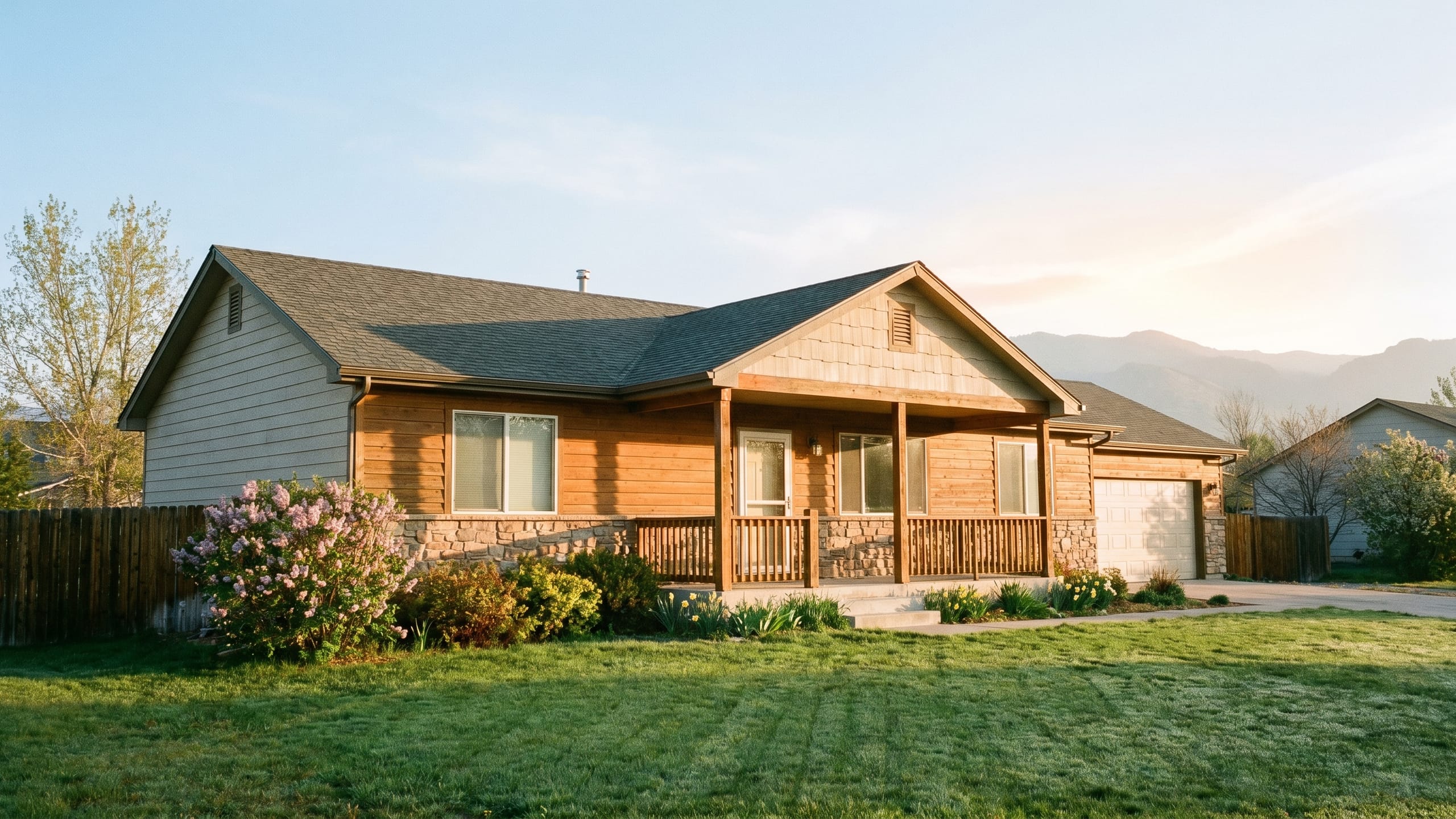
You sell the house. The lease keeps running. You stop being the landlord.
Tell us about the house and the tenancy, and within 24 hours you’ll have one written cash offer with the math shown, plus a straight answer on whether selling occupied or waiting for vacancy nets you more.